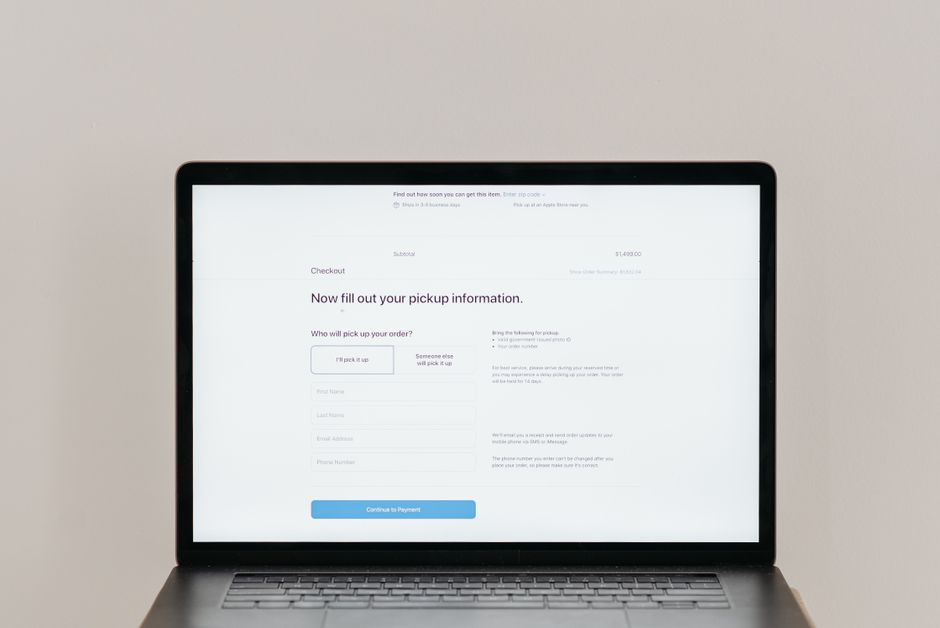
Australia's ban on card surcharges came into force on Thursday, but it took just hours before a fresh wave of consumer frustration erupted — this time over "platform" and service fees quietly appearing at online checkouts in their place.
Following a Reserve Bank of Australia (RBA) review that found eliminating card surcharges would create a more efficient and competitive payments system, businesses are no longer permitted to add an extra charge to customers paying by credit or debit card. The sticker price, the RBA said, should now be the price consumers actually pay.
New Fees Replacing Card Surcharges? The ACCC Is Watching
Almost immediately after the ban took effect, consumers took to social media to flag new charges labelled as "platform," "booking," or service fees appearing during transactions — prompting widespread concern that businesses were simply repackaging the surcharge under a different name.
The Australian Competition and Consumer Commission (ACCC) confirmed it is aware of those concerns. However, the regulator was clear that such fees are not automatically prohibited. Whether a charge constitutes a genuine fee for a specific service — or is effectively a card surcharge by another name — depends on how it operates and what it actually covers, an ACCC spokesperson said.
Businesses are still permitted to charge genuine fees for services such as ordering or booking platforms. But under Australian Consumer Law, they cannot mislead customers about the nature or reason for an additional fee, whether it is optional, or how it affects the total price. Crucially, businesses must display the total minimum price as a single figure, inclusive of any mandatory fees that can be calculated in advance.
Businesses Face Real Costs — and Hard Choices
While the ban protects consumers from visible card payment fees, it does not make those costs disappear for businesses. Card networks including Visa and Mastercard, along with payment service providers, are responsible for administering and enforcing the no-surcharge rules. But businesses will continue to incur costs for processing card payments — they simply can no longer pass them on as a line-item fee.
Many businesses may choose to absorb those costs into their overall pricing instead. As one financial comparison analyst put it: "Shoppers shouldn't assume today's surcharge ban means they'll now start paying less." Businesses still have to pay to accept card payments, and some will build those costs into their prices rather than absorb them outright.
For Sydney café owner David Bitton, of Bitton Rose Bay, the change represents a significant financial hit. With more than 90 per cent of his sales processed by card, he estimates the ban could cost his business as much as $40,000. Rather than raising menu prices, Bitton said he has opted to increase his weekend surcharge — a levy unrelated to card payments and therefore still permitted — from 10 to 12 per cent.
"So I've got to be clever and strategise how I'm gonna pass on that cost, without upsetting people basically," he said.
Teething Issues Expected as the System Adjusts
Australian Payments Network chief strategy officer Rajat Jain acknowledged that a change of this scale is "not immune to some teething issues," signalling that the transition period may come with continued confusion for both consumers and merchants.
The RBA has been explicit that the ban applies specifically to surcharges added because a customer chooses to pay by card — not to legitimate booking or service fees that exist independently of the payment method used.
For now, consumers are being encouraged to scrutinise any additional fees at checkout, and to question whether charges are genuinely linked to a service or are simply the old surcharge dressed up in new language. The ACCC's watchful stance suggests enforcement action could follow if businesses are found to be misleading customers under the guise of the new fee landscape.