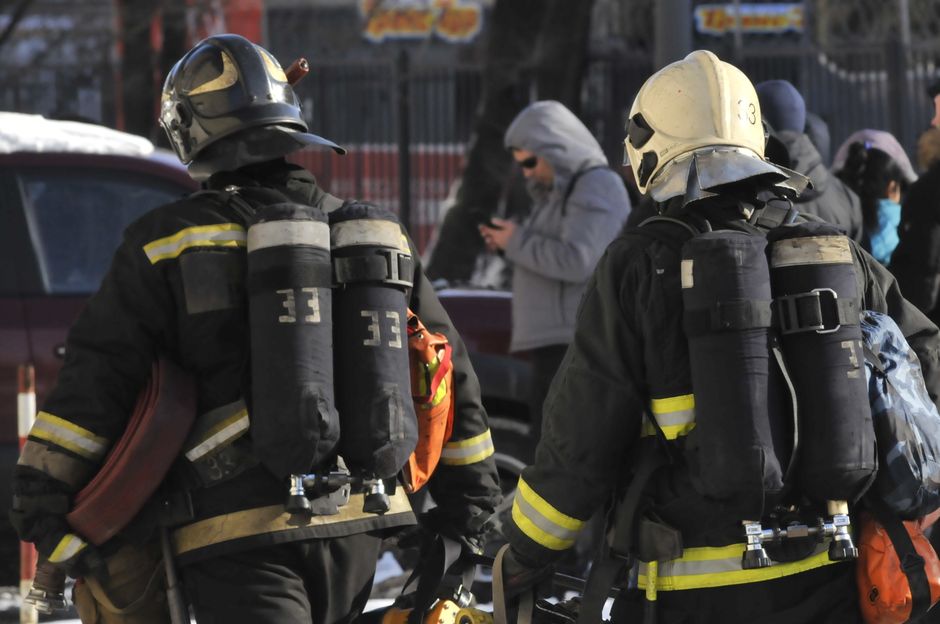
South Australia's firefighters union has escalated a dispute over personal protective equipment to the state's employment tribunal, alleging the SA Metropolitan Fire Service (MFS) has failed to supply, maintain and replace gear to a standard that keeps firefighters safe. The action comes amid reports of broken zips, incorrectly sewn items and lengthy delays in returning laundered equipment — problems the union says have already led to fire trucks being taken out of service.
Tribunal Dispute Over Firefighter PPE Safety
The United Firefighters Union lodged the dispute with the SA Employment Tribunal, arguing in formal documents that the MFS had not only failed to provide sufficient protective equipment but had also failed to ensure existing gear was "maintained, repaired, or replaced such that it continues to minimise risk to the worker who uses it."
Union acting secretary Peter Russell described the situation as "a massive failure of the PPE system in the MFS," pointing to a range of defects uncovered by members. Among the examples cited were items sewn on incorrectly, components facing the wrong direction, and at least one instance of a sleeve being sewn completely shut.
Photographs provided to support the union's claims show MFS gear with broken zippers and visible repairs. Russell said concerns extended even to the service's newest equipment, warning that faulty zips on recently introduced ensembles were "capable of coming apart during firefighting activities, exposing firefighters to risks of severe burns or death."
He acknowledged it was "impossible" to quantify exactly how much gear the union considered unsafe, saying the MFS had been unable to provide records to help establish the full picture.
Laundry Delays Leaving Firefighters Short of Clean Gear
A recurring theme raised by union members is the time it takes for PPE to be returned after laundering. Russell said firefighters had reported delays of six weeks or longer, creating shortages that were forcing a difficult choice: send contaminated gear away for cleaning and risk being left without protection, or continue using gear that should have been laundered.
"Firefighters are reluctant to put their firefighting gear in for laundering when it needs it, and risking using contaminated gear, because they do not trust that the system will return their gear to them," Russell said.
The question of equipment safety and its real-world consequences is one that resonates across many emergency and community settings, where shortfalls in gear maintenance can have serious outcomes for those on the front line.
Trucks Grounded at Elizabeth Station
The union linked the PPE shortages to a specific operational impact: fire trucks at the Elizabeth MFS station were unable to be deployed over the June long weekend, reportedly due to a lack of sufficient protective equipment. Russell said a subsequent internal investigation by the union revealed this was not an isolated problem confined to one station.
"It became apparent to us that it wasn't an issue isolated to that station," he said.
The MFS declined to comment directly on the Elizabeth example but said it was "not unusual" for a truck to be taken offline following an incident response, noting that established decontamination and restoration processes were in place to maintain coverage and meet response times.
MFS Says Equipment Meets Standards
The Metropolitan Fire Service pushed back on the union's characterisation of the situation. A spokesperson said all current operational structural firefighting PPE met relevant industry standards and that there was sufficient supply to ensure firefighters could safely respond to emergency calls.
The service also noted it had been progressively introducing new PPE since 2023. "The safety of firefighters and the community is paramount," the spokesperson said.
The dispute is now before the SA Employment Tribunal, with both sides holding markedly different views on whether the current state of protective equipment is adequate for the risks firefighters face.