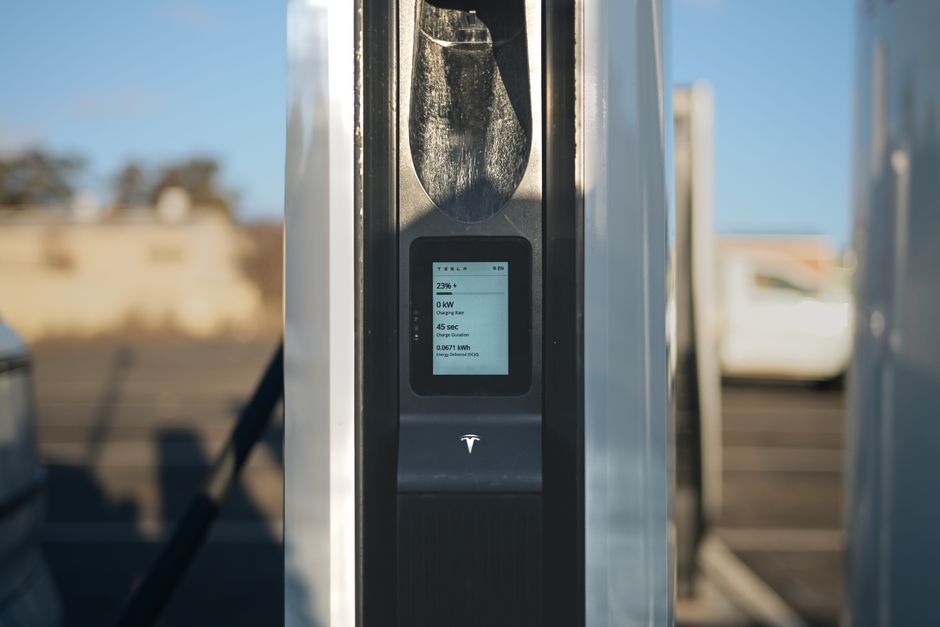
Western Australia's much-celebrated electric vehicle charging network is facing mounting criticism from drivers who say broken equipment, sparse infrastructure and unreliable chargers are turning remote road trips into stressful ordeals — and potentially discouraging tourism to the state's Pilbara region altogether.
Launched in 2025 to considerable fanfare, WA's EV charging network spans 110 charging points stretching from Mundrabilla on the Nullarbor Plain through to Kununurra in the East Kimberley. But reports of malfunctioning equipment and chargers being out of service have become a persistent problem, with drivers and tourism industry figures now calling on the state government to take urgent action.
Drivers Describe a 'Sink or Swim' Experience
Perth resident Catherin Robinson experienced the network's shortcomings first-hand when she undertook a 1,500-kilometre drive north to Karratha just two weeks after buying her EV. She described the journey as "sink or swim", saying chargers were too far apart and too many were simply not working.
"There needs to be more availability, closer together, not so sparse, and chargers that work," Ms Robinson said. She added that the scarcity of reliable charging points meant she could not explore freely — every decision had to be calculated in advance, ruling out spontaneous detours. "It could never have been a spur-of-the-moment decision to go and explore a bit more," she said.
Fellow Perth driver Michael Kerr had a similarly fraught experience completing a 2,700-kilometre round trip to Karijini National Park. Mr Kerr, who had previously made the same journey in a petrol vehicle, said he was forced to plan the entire trip around broken chargers and at one point arrived at a charging station with just 20 kilometres of battery range remaining. He described the network as "pathetic" and has since written to the state government to raise his concerns. Despite enjoying Karijini itself, Mr Kerr said he would be unlikely to make the drive north in an EV again.
"You have to keep an eye on what's working," he said. "You have to be careful about judging the distances you travel between charges."
Tourism Industry Warns of Broader Impact on the Pilbara
The concerns are not limited to individual travellers. Tourism industry leaders say the reliability of WA's EV charging network has significant implications for the region's appeal as a destination, particularly as electric vehicles become more mainstream.
Australia's North West tourism chief executive Bill Tatchell acknowledged the network had made a meaningful difference in creating a "charging spine" through the region, but warned that more investment would be needed to meet growing demand. He pointed to the vast distances involved as making charging reliability even more critical in the North West than in cities.
"The distances here are enormous, so confidence in the availability and reliability of charging is probably even more important in the North West than it is in metropolitan areas," Mr Tatchell said. "Road trips are fundamental to tourism in the North West."
His comments come as EV uptake accelerates nationally — EVs outsold petrol and diesel vehicles in Australia for the first time in August, a milestone that is expected to intensify pressure on charging networks in remote areas.
Calls for a Bigger Picture Approach
Beyond tourism, experts are urging planners to consider the longer-term demands that will be placed on remote charging infrastructure. An EV specialist cited in recent discussions said future charger planning must also account for freight electrification — not just passenger vehicles — to ensure the network can scale effectively as the sector grows.
The state government is yet to outline specific plans to address the reported failures, but pressure is mounting from both the tourism sector and everyday drivers for a more robust, reliable, and better-distributed charging network across WA's remote north.
For travellers considering iconic long-distance journeys by alternative transport, the lesson from WA's experience is clear: infrastructure must match ambition, or confidence in new technology quickly erodes.