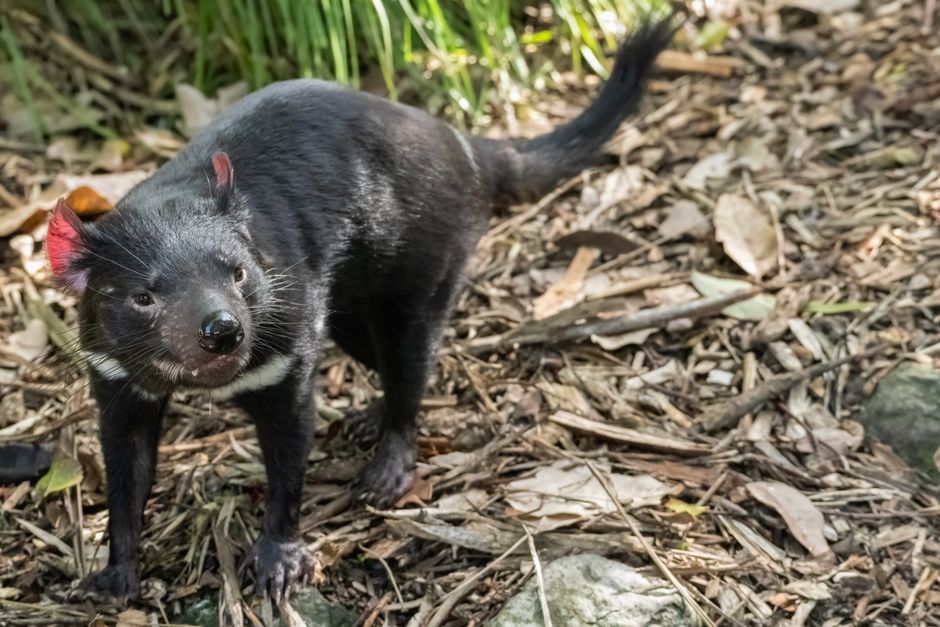
A British taxidermy enthusiast has secured what may be the most remarkable auction find in recent memory, paying £62,000 (approximately $A119,000) for a specimen believed to be the only surviving Tasmanian tiger head in existence — a piece that had been catalogued as a stuffed fox with an estimated value of just £30 to £50.
The extraordinary sale unfolded when two sharp-eyed bidders simultaneously recognised the true nature of the listed item, triggering an intense bidding war that drove the final price thousands of times beyond its modest estimate.
The buyer: 'It won't get any better than this'
The successful purchaser, taxidermy enthusiast James Cranfield, was openly overwhelmed by the acquisition. "I've sort of peaked in my career. It won't get any better than this," he said. "And as goofy and as silly as it looks, this is so special."
Cranfield also pointed to the specimen's potential value beyond the collector's world, suggesting it could contribute to scientific understanding of the long-vanished species. "This might be able to unlock something that we previously didn't know about an extinct species," he said.
The Tasmanian tiger — scientifically known as the thylacine — disappeared from the wild nearly a century ago, making any surviving physical specimens extraordinarily rare and of significant interest to both collectors and researchers.
The thylacine: extinction, persecution and scientific hope
The last known Tasmanian tiger died on 7 September 1936 at Hobart Zoo, marking the end of a species that had been systematically hunted to extinction. European settlers, mistakenly convinced the animals were responsible for killing their livestock, drove a bounty-hunting campaign that wiped the species out entirely.
According to researchers who have studied the thylacine extensively, the animal was largely scapegoated. "It probably wasn't killing sheep, very rarely. It wasn't its major food source," said Professor Andrew Pask, who leads the TIGRR (Thylacine Integrated Genomic Restoration Research) Lab at the University of Melbourne. "But because it looked like the European grey wolf, it looked like predators that had been problematic for farming practices where they came from. The thylacine was, unfortunately, the scapegoat."
Despite numerous unverified sightings reported by hopeful Tasmanians over the past seven decades, no confirmed evidence of a living thylacine has emerged — making Cranfield's specimen all the more significant.
Tasmania's wildlife continues to captivate Australians, as this story about a seal causing chaos at a Tasmanian petrol station recently demonstrated.
De-extinction: could the thylacine walk again?
Cranfield's purchase arrives at a moment of genuine scientific momentum around efforts to bring the thylacine back from extinction. Professor Pask has dedicated 25 years to the cause and leads a team of 40 researchers working toward that goal.
In 2022, his lab partnered with Colossal Biosciences, a Dallas-based biotech and genetic engineering company, to accelerate the de-extinction programme. The collaboration has proven transformative. "They have a huge set-up — they have hundreds of millions of US dollars to actually build these massive genetic engineering facilities and things that we don't have here in Australia," Pask explained. "Being able to partner with them on this project has actually been a massive game changer, and it's really accelerated the time that we can get this stuff done."
As recently as May 2025, Pask expressed confidence that the thylacine could roam Tasmania again in the not-too-distant future.
The broader context of de-extinction science received a high-profile boost when Colossal announced it had successfully "de-extincted" the dire wolf — an animal that vanished more than 10,000 years ago — using ancient DNA, cloning, and gene-editing techniques applied to grey wolf genetics.
Whether Cranfield's newly acquired specimen contributes to that scientific journey remains to be seen, but his purchase has ensured that a critical piece of thylacine history remains preserved — and in the hands of someone who understands exactly what they have.