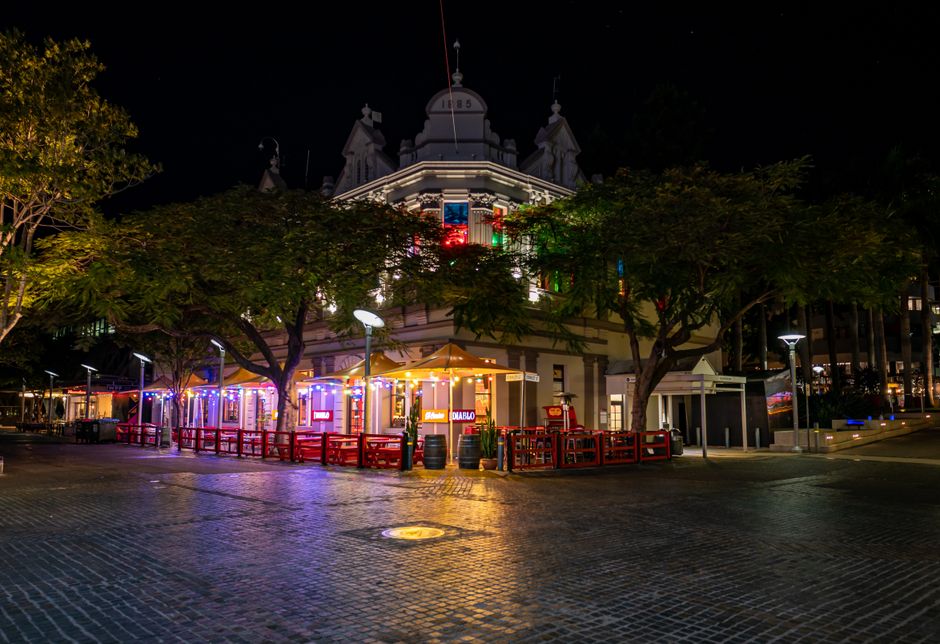
Brisbane's standing as a destination for dining, culture and major events is strengthening among visitors from across Queensland, but residents of the city itself are growing less satisfied with their quality of life, according to two new reports to be released on Tuesday by the Committee for Brisbane.
The findings come from the organisation's annual Inner City Vitality Report and a companion perceptions survey, Brisbane in 2026: How Queenslanders Experience the Inner City, the latter based on an Ipsos poll of 600 Queenslanders conducted in September.
Visitor appeal on the rise, driven by dining
More than 70 per cent of Queenslanders visited Brisbane's inner city in the past year, with dining now overtaking shopping and entertainment as the city's biggest drawcard. Among regional Queensland respondents, 36 per cent nominated dining as the main attraction, up sharply from 25 per cent a year earlier.
Dining also ranked as Brisbane's strongest overall attribute, scoring 7.5 out of 10 among both Brisbane and regional respondents. Culture, atmosphere and the natural environment also rated highly. South Bank remained the top-rated inner-city precinct, scoring 7.2 out of 10.
Committee for Brisbane chief executive Jen Williams said the city's inner core had evolved well beyond its traditional role as a business district.
"The story of Brisbane's inner city is no longer simply about office towers, business activity or a destination people visit from nine to five," Williams said. "It is increasingly a place people choose to visit, choose to spend time in and choose to return to."
Williams also emphasised the city's statewide significance. "When we invest in major cultural venues, public spaces, transport infrastructure and city-shaping projects, the benefits flow well beyond Brisbane's boundaries," she said.
Residents less satisfied as housing, safety concerns mount
Despite the positive signals from out-of-town visitors, Brisbane residents reported a notable dip in enthusiasm. While the city's overall rating held steady at seven out of 10, the share of Brisbane residents awarding top marks fell from 21 per cent to 13 per cent over the past year.
Overall satisfaction with quality of life dropped from 78 per cent to 72 per cent, with the decline most pronounced among men and people aged between 30 and 49. Concerns about housing affordability, safety and ease of navigating the city were identified as key factors tempering residents' optimism ahead of the 2032 Olympic Games.
"As a growing and changing city, challenges are inevitable," Williams said. "The opportunity now is to address these concerns while protecting the experiences, places and qualities that people value most, and continuing to build on what makes Brisbane distinctive and authentic."
She added: "A city that locals love will be a city the world loves."
Fortitude Valley nightlife fading, Queen Street Mall booming
The Inner City Vitality Report identified a troubling trend in Fortitude Valley, where nighttime pedestrian movements along Brunswick Street have declined since 2022. The report warns the downward trend points to a weakening of the Valley's role as a vibrant after-hours destination, and that reversing it will be important for local businesses and perceptions of safety.
At the other end of the spectrum, Queen Street Mall recorded a remarkable 10.2 million pedestrian movements in the first half of 2026 alone, a record for the precinct.
Ratings also slipped for Kangaroo Point, which fell from 7.1 to 6.7, and the Victoria Park precinct, which dropped from 7.0 to 6.4. The latter result is considered unsurprising given the site is currently under construction for the new Brisbane Stadium ahead of the 2032 Games. Brisbane's growing sporting infrastructure remains a key part of the city's transformation story as the Olympic deadline approaches.
The reports together paint a picture of a city gaining momentum as a statewide cultural hub while navigating the pressures that come with rapid growth and large-scale urban change.

