Beaconsfield mine disaster survivor Brant Webb has paid an emotional tribute to his fellow trapped miner Todd Russell, who died aged 54 on Monday night after a prolonged battle with leukemia, surrounded by his friends and family at home.
"He really did try his hardest to beat this one. Unfortunately, it got him in the end," Webb said, reflecting on the loss of the man he spent two weeks buried underground alongside more than two decades ago.
Russell had been undergoing hospital treatment for extended periods since his leukemia diagnosis in July 2024, but made the decision on November 3 to leave hospital so he could spend his final days at home. His son, Trent Russell, confirmed the news on Tuesday morning in a statement that described a death lived entirely on Russell's own terms.
"He fought an uphill battle, but like everything he did in life, his final moments were on his own terms," Trent said. "Last night, in the comfort of his own home and surrounded by loved ones, Todd took his last breath after six days at home filled with family, friends, love and laughter."
You can read more about Todd Russell's life and the disaster that made him a household name in our earlier report here.
The disaster that bound two men together
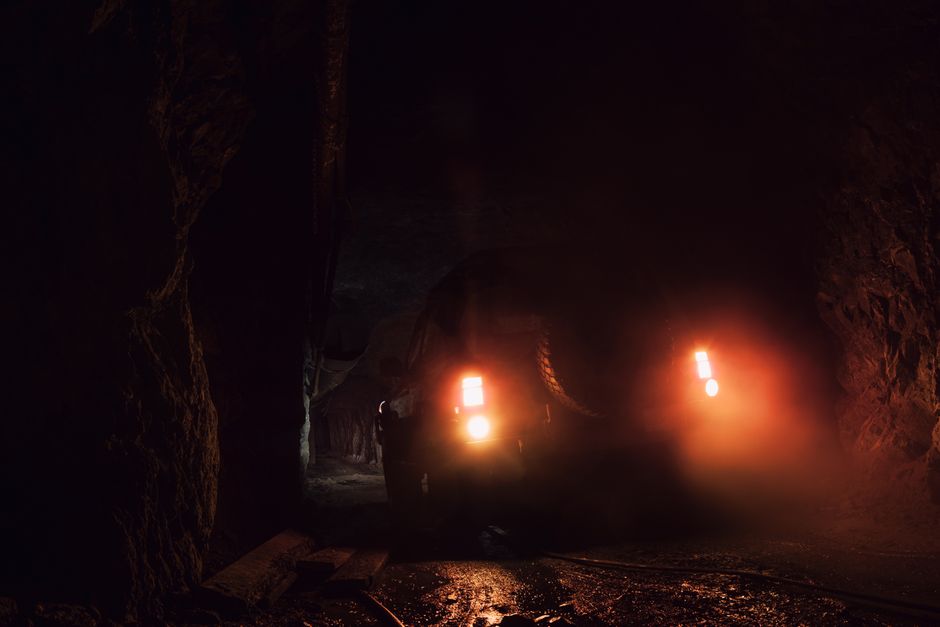
Russell and Webb were among 17 miners working at the Beaconsfield gold mine, located just north of Launceston in Tasmania, when a small earthquake triggered a catastrophic rockfall on April 25, 2006. A third miner, Larry Knight, 44, was killed during the collapse. The remaining 14 miners managed to escape, but Russell and Webb became trapped in the basket of the vehicle they had been working in.
The two men freed themselves from the immediate rubble and found shelter in a small void created by a makeshift "ceiling" of thousands of precariously balanced rocks, which became their home for the next two weeks. They survived on groundwater seeping through the rock face and a single muesli bar Webb had packed for his shift that day, working to keep each other's spirits up as rescue teams laboured above them.
Rescuers were able to make contact with the trapped pair five days after the collapse, on April 30, delivering food, fresh water, medical supplies and letters from their families. In one letter back to his wife, Russell jokingly asked for that Saturday's newspaper because he expected to be looking for a new job. He also asked whether the local paper had picked up the story, entirely unaware that the small Tasmanian town had attracted intense global media attention.
After another week of planning and carefully executed work, Russell and Webb walked free from the mine just before 6am on May 9, fourteen nights after the rockfall. Footage of the pair pumping their fists in the air, flipping their safety tags to "safe" and running to embrace their families was broadcast around the world and became an enduring symbol of Australian resilience.
A fighter in life as much as underground
Webb said Russell's determination in his final illness was entirely consistent with the character he had witnessed underground two decades ago.
"Even when we were stuck in the hole, he fought his hardest in that hole," Webb said. "He yelled as hard as he could, he screamed as hard as he could. He did everything."
When Russell himself announced in a social media post that he had chosen to leave hospital and return home, he was candid about the toll his illness had taken. "After years of pain, uncertainty, appointments, treatments, setbacks and endless battles plus the emotional exhaustion of having to pick myself up time and time again, have left me with nothing left to give," he wrote. "The time has come medically and physically where there are no further options on either front for me and there is no more fight left in me."
Webb said that statement alone said everything. "If he's saying he's given everything, well, he's given everything, mate."
A legacy built on community service
Beyond his fame as a Beaconsfield survivor, Russell had dedicated much of his life to serving others. He was a volunteer with the local fire brigade for 31 years, eventually rising to the position of chief. His cancer diagnosis in mid-2024 forced him to step back from those community roles, and he was unable to attend the 20th anniversary of the mine collapse earlier this year.
In the years immediately following the disaster, Russell and Webb channelled their public profile into raising funds for rescue organisations and emergency services charities, travelling extensively across the country together. "We ran around the country and we were raising money for rescue organisations, charities and we did so much together in the first four years," Webb said. "We were sort of joined at the hip there at one stage."
Russell had also recently remarried, wedding Donna Russell in May. In July, he posted a heartfelt tribute to her after spending a rare day at home during his treatment. "I would love to thank my beautiful wife Donna Russell for my beautiful day out today," he wrote. "Today is the first time in 19 weeks I have spent in my own home. Didn't want to come back to hospital. Thanks again, my beautiful wife, love you so much."
Tasmanian Premier Jeremy Rockliff also paid tribute, writing on social media: "Thoughts this morning are with Todd's loved ones and everyone who had the absolute pleasure of knowing him."
Webb said the bond the two men shared was unlike any other. "We shared something special 20 years ago," he said. "He really did try his hardest."

