Beijing authorities have imposed a sweeping total ban on drone ownership inside the Chinese capital, giving residents until November 15 to sell their devices, ship them out of the city, or recycle them — and sparking an unusually vocal backlash from owners who say they are being forced to offload their property at rock-bottom prices.
Queues have formed at designated buyback sites across Beijing over the past fortnight, including at stores operated by DJI, the Chinese company that leads the global consumer drone market. Owners have been lining up to surrender devices they say cost thousands of yuan, often receiving only a fraction of the original price in return.
What the Drone Ban Actually Means for Beijing Residents
The ban, announced this month under regulations introduced in September, goes significantly further than an earlier round of restrictions imposed in May. Those initial rules had prohibited new drone sales and established a no-fly zone over the city without prior approval, but crucially had allowed existing owners to keep their registered devices. The latest rules sweep that allowance away entirely.
To comply, residents have several options: sell through government-endorsed buyback platforms — with authorities offering subsidies to soften the blow — ship drones out of Beijing free of charge, or list them for sale to buyers in other Chinese cities through second-hand trading apps. DJI and other retailers have already cleared drone stock from their Beijing shelves.
Drones remain legal to buy and fly elsewhere in China, provided they are registered. In Shenzhen, the southern tech hub, drone deliveries of food to designated drop-off sites are now a routine part of daily life, operated by platforms including takeaway giant Meituan.
Owners Vent Frustration Over Property Rights and Low Resale Values
The forced selloff has prompted rare public criticism in a city not known for open dissent. One Beijing resident, who gave only a pseudonym, told reporters outside a store in the city's financial district that he had originally paid around 5,000 yuan (approximately $1,060 AUD) for his drone and used it purely for recreational photography.
"My freedom's been restricted," he said. "This is not a fair and normal request for the government to ask citizens to take. It's my property; I don't think it's fair for me to have to sell it." He described the device as a "write-off" under the current market conditions.
Similar grievances have surfaced on Chinese social media. On the video platform Red Note, one user lamented surrendering a drone that had barely been used: "It comes with three batteries, and the system has only gone through a single charge cycle. A lot of people don't see the value — they just treat it like a joke." Another owner said they sold their device for a quarter of its retail price, having flown it fewer than five times since purchasing it last year.
Some owners have also reported receiving messages from local residents' committees — neighbourhood-level administrative bodies — urging them to sell up ahead of the official deadline, adding pressure beyond the formal rules.
Security Incident and Strategic Tensions Behind the Crackdown
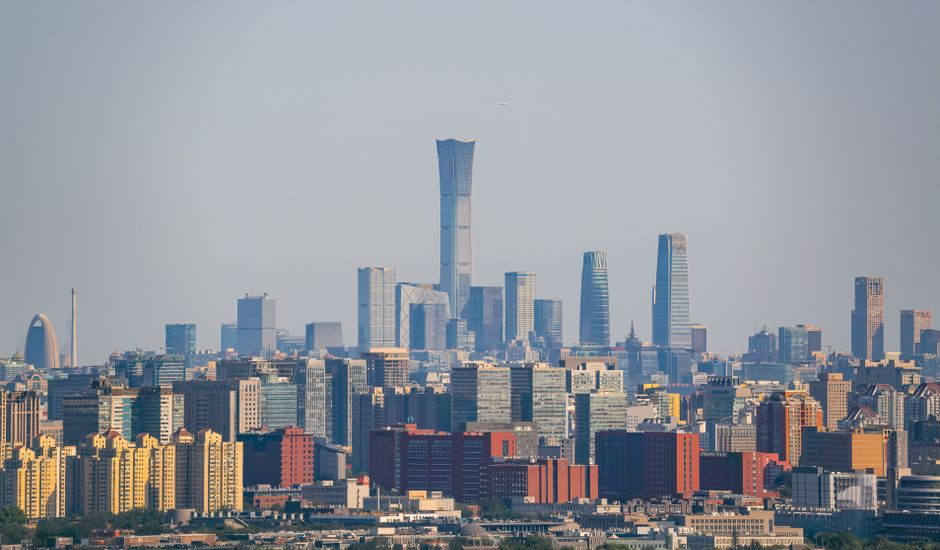
The tightening of airspace rules follows a serious incident in June, when a pilot flew a small recreational aircraft into Beijing's tallest skyscraper, killing themselves and injuring 13 people. The crash exposed significant vulnerabilities in the capital's low-altitude airspace security and is understood to have accelerated the push for tougher restrictions.
The ban highlights a deeper tension in Chinese policy: the central government has simultaneously championed the so-called "low-altitude economy" — encompassing drones and air taxis — as a key strategic industry for national growth, while security imperatives over the capital are pulling in the opposite direction. For drone regulators and the industry alike, how governments balance security with drone technology is a challenge playing out far beyond China's borders.
For now, Beijing's drone owners are left navigating a shrinking window, a depressed resale market, and a government ban that has drawn some of the most candid public frustration the city has seen in some time.