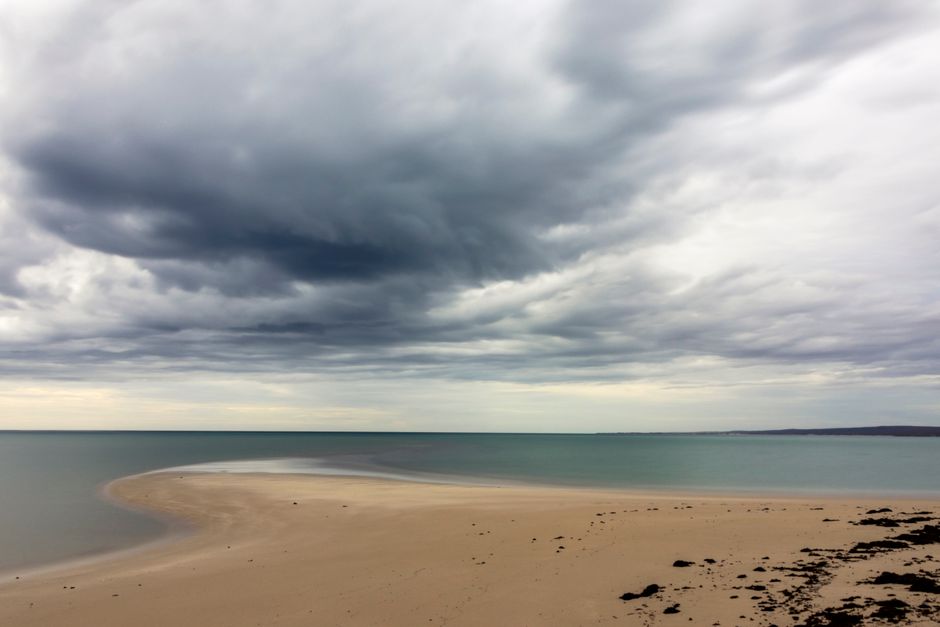
A proposal to build a major industrial port just 10 kilometres south of Exmouth is drawing fierce opposition from conservationists, who say the project is fundamentally at odds with state and federal government plans to establish a marine park in the Exmouth Gulf. The Environmental Protection Authority has opened the proposal for public comment, marking a significant step in its formal assessment of the Gascoyne Gateway Marine Complex — a project that has been in play since 2020.
What the Gascoyne Gateway proposal involves
The proposed marine complex would see a port structure jutting nearly one kilometre into Exmouth Gulf, accompanied by dredging of more than a million cubic metres of seafloor. The facility is intended to accommodate large vessels including fuel tankers, cargo ships, cruise liners and other heavy shipping traffic servicing the region.
The port would sit adjacent to Qualing Pool, a rare freshwater oasis that the state government has earmarked as a class A nature reserve. The Environmental Protection Authority has previously recommended the site receive an even higher level of protection.
Since the proposal was first announced, two other projects within the Exmouth Gulf — a Subsea 7 oil and gas pipeline and a proposed industrial salt project — have both been withdrawn.
Why conservationists say the port 'beggars belief'
Protect Ningaloo and the Australian Marine Conservation Society are leading a campaign against the proposal, arguing it is entirely incompatible with the ecological values of the Exmouth Gulf. The region supports a wide array of threatened and listed species, including dugongs, turtles, manta rays, dolphins and sea snakes, as well as seagrass meadows, coral systems and sponge gardens. Critically, the proposed shipping lanes would pass directly through a key humpback whale resting and nursing ground.
Australian Marine Conservation Society chief executive and Protect Ningaloo director Paul Gamblin said the scale of the proposal was staggering given the environmental sensitivity of the location.
"An industrial port proposal, jutting nearly a kilometre into Exmouth Gulf and dredging of more than a million cubic metres of the seafloor in one of the world's most important whale nursing grounds beggars belief," he said.
Gamblin said both the WA and federal governments had signalled a commitment to protecting Exmouth Gulf, and called on them to make clear that the region's economic future lay in conservation and low-impact activity — not industrialisation.
Since the project was announced, more than 20,000 emails have been sent to current and past WA environment ministers urging rejection of the proposal.
Cape Conservation Group chair Denise Fitch said the timing was particularly poor, given the pressures already bearing down on the Ningaloo ecosystem. She cited unprecedented coral bleaching, seagrass damage from marine heatwaves, and destruction caused by Cyclone Narelle as evidence that the reef system was already under significant strain.
"Now is not the moment to be adding industrial stressors to this fragile ecosystem," she said.
The Ningaloo context and conservation boundaries
Ningaloo was designated a World Heritage area in 2011, though that designation does not extend to the Exmouth Gulf itself — a distinction that has left the gulf without the same level of formal protection as the adjacent reef system, despite its ecological importance.
What happens next
EPA Chair Darren Walsh confirmed the opening of the public review period represented a meaningful milestone in the assessment process, noting that the proponent had amended its proposal twice since the initial scoping stage.
"It has been some time since the last opportunity for public feedback on this project," Walsh said, adding that the environmental review document and appendices published by the authority total more than 6,000 pages.
Walsh advised members of the public making submissions to concentrate on the areas of key environmental concern rather than attempting to work through the entire document. The EPA is expected to weigh all submissions as part of its formal assessment before any recommendations are made to government.