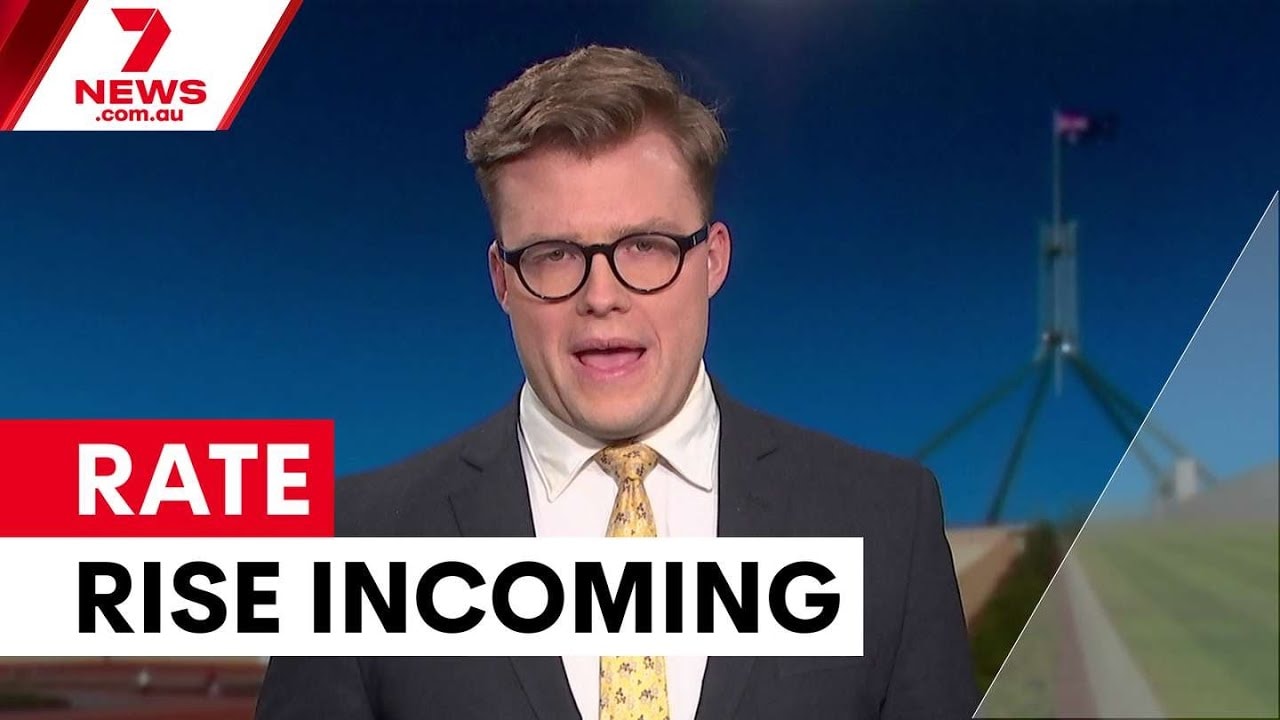
Australia's inflation rate has fallen to its lowest point since before the outbreak of conflict in the Middle East, with new official data showing a sharper-than-expected decline that has reduced the likelihood of an interest rate rise next month. Headline inflation dropped from 4 per cent to 3.8 per cent in June, according to the latest figures from the Australian Bureau of Statistics, marking the lowest reading since 28 February — the day the United States and Israel launched an attack on Iran.
What the Inflation Numbers Show
The ABS data revealed that the fall in headline inflation was driven in large part by easing transport costs, particularly at the petrol pump. World oil prices moderated as conditions in the Middle East stabilised during June, contributing to a 10.9 per cent drop in fuel prices over the month. A federal government fuel excise relief measure, which reduced fuel costs by 32 cents per litre during June, also remained in place and added to the downward pressure on prices.
ABS head of price statistics Rachel McCrick noted the relief measures had been a significant factor, though she flagged that the excise reduction had already been wound back to 16 cents per litre in July and would be phased out entirely from Sunday — a development that may put upward pressure on prices in coming months.
Crucially, trimmed mean inflation — the Reserve Bank of Australia's preferred gauge, which strips out volatile items — held steady at 3.6 per cent. That result defied RBA forecasts of a rise to 3.8 per cent, a development economists say strengthens the case for the central bank to keep rates on hold.
On a quarterly basis, headline inflation eased from 4 per cent to 3.9 per cent, while the trimmed mean edged up slightly from 3.5 per cent in the March quarter to 3.6 per cent in June.
Housing Remains the Stubborn Driver of Price Pressures
Despite the overall improvement, housing continued to be the single largest contributor to inflation in the June figures, rising 6.8 per cent annually. New dwelling costs reached their highest level in almost three years, climbing 5.8 per cent as builders passed on elevated material and labour costs to buyers. The persistent strength in housing inflation underscores the complexity facing policymakers even as the broader price environment cools.
Treasurer and Economists React
Treasurer Jim Chalmers welcomed the result, describing it as a sign of meaningful progress despite a turbulent global backdrop. "It's an encouraging outcome that shows we've made progress on inflation since the budget, even in the face of intense global uncertainty," he said. The Treasurer also cautioned that Treasury had warned the next phase of the conflict could prove more challenging for the global economy, with oil markets considered increasingly vulnerable.
Economists were broadly positive about the figures. The head of economic research at Oxford Economics Australia, Harry Murphy Cruise, said the RBA would be looking beyond the headline number to assess how broadly price pressures were spreading through the economy. "Underlying inflation is not just resisting pressure to rise. In quarterly terms, it is continuing to ease," he said, adding that the data supported the view that the RBA would leave rates unchanged at its next meeting.
What Happens Next: RBA's August Decision
The Reserve Bank's approach to cooling inflation will be tested again when its board convenes on 10 and 11 August to decide whether to move the cash rate from its current level of 4.35 per cent. RBA Governor Michele Bullock, speaking at a Sydney fundraising event the day before the ABS data was released, acknowledged that higher interest rates were doing their job in slowing the economy. However, she stressed that four consecutive years of above-target inflation remained a significant concern for the board.
"The longer it is out of target, the more concerned that the board becomes," Bullock said, noting that the RBA's May forecasts had inflation returning below 3 per cent only towards the end of 2027 — a prolonged period that continues to weigh heavily on policymakers' thinking.