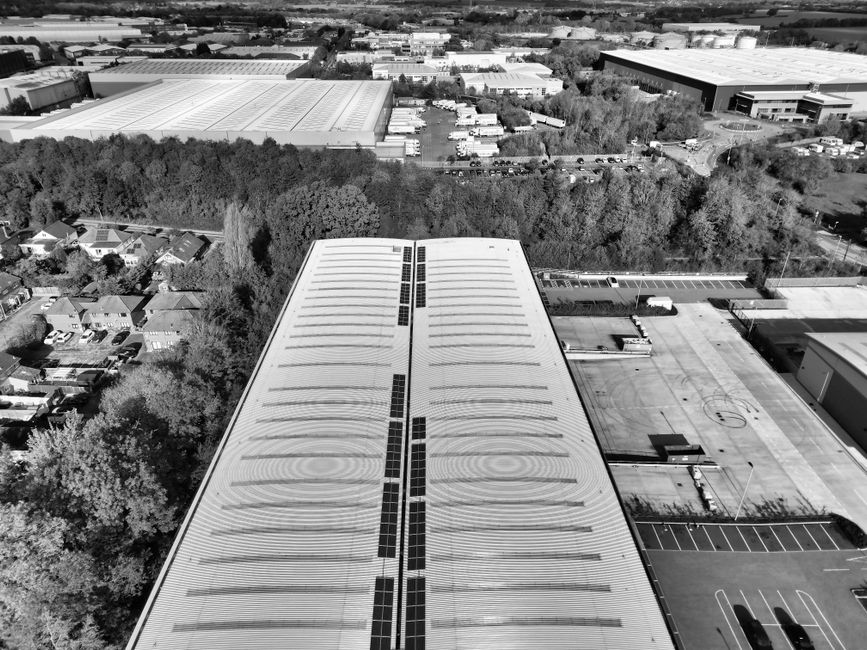
Australia already leads the world in household rooftop solar, but the vast empty roof space above the nation's factories, warehouses and large commercial buildings has remained largely untapped — until now. Energy Minister Chris Bowen is set to announce a major expansion of Australia's solar rebate scheme, extending it to cover commercial and industrial systems of up to one megawatt, in a bid to close what the government itself calls the "missing middle" of its renewable energy ambitions.
What's changing and when
The existing rebate scheme, which helped millions of Australian households install rooftop solar, has until now been capped at systems of 100 kilowatts. Under the new policy, set to take effect in October, that cap will rise tenfold to one megawatt — bringing large commercial and industrial premises inside the incentive structure for the first time.
Bowen will also write to the Australian Energy Market Commission requesting it consider a rule change that would require network operators — the companies responsible for poles and wires — to approve and connect commercial solar systems more quickly. The minister has flagged that delays in grid connection have become so severe that many businesses simply abandon their solar plans entirely.
The government estimates the expanded incentive will cut the upfront cost of a medium-sized commercial solar installation by around 20 per cent. As an example, Bowen will point to a 250-kilowatt system on a mid-sized retailer: that business could save roughly $68,000 on installation costs and generate approximately 345 megawatt hours of electricity per year — a potential annual saving of $50,000 on power bills.
The scale of the opportunity — and the problem
Australia's record on household solar is remarkable. While Solar power by country comparisons show no nation has a higher rate of residential rooftop solar, the commercial sector tells a starkly different story. Homes across the country generate around 22 gigawatts of solar energy, while businesses have installed only about 5.6 gigawatts — a fraction of their potential.
According to the renewables industry's peak body, the Smart Energy Council, the potential capacity sitting idle on commercial rooftops could exceed 80 gigawatts — enough, the council says, to match the output of ten coal-fired power plants. The council released a report on Monday identifying the high cost of installation and the difficulty of connecting systems to the grid as the primary barriers holding businesses back.
The council's head of policy noted that for smaller enterprises, the difference between a clear, upfront incentive and a more complex, staged one can determine whether a project gets built at all. Energy Networks Australia, which represents the companies that own grid infrastructure, welcomed the expanded scheme, saying networks are working to make connection processes faster and more consistent.
Filling the gap in Australia's renewables race
The push comes as the Albanese government faces mounting pressure over its target of achieving 82 per cent renewable energy in the national grid by 2030. Large-scale solar and wind farms have encountered growing resistance from community groups and political opponents, while major transmission line projects have faced significant delays. Commercial rooftop solar, by contrast, uses existing built infrastructure and sits closer to where electricity is actually consumed.
Bowen will frame the issue in direct terms in his address, urging his audience to consider what they see from aeroplane windows: residential rooftops blanketed in panels, while warehouse and factory roofs beside them sit bare or barely covered. That contrast, he will argue, represents both a policy failure and a major economic opportunity waiting to be unlocked.
The federal government's broader infrastructure agenda has increasingly focused on building out the foundations for Australia's energy transition — and commercial rooftop solar looks set to become one of its most visible new fronts.