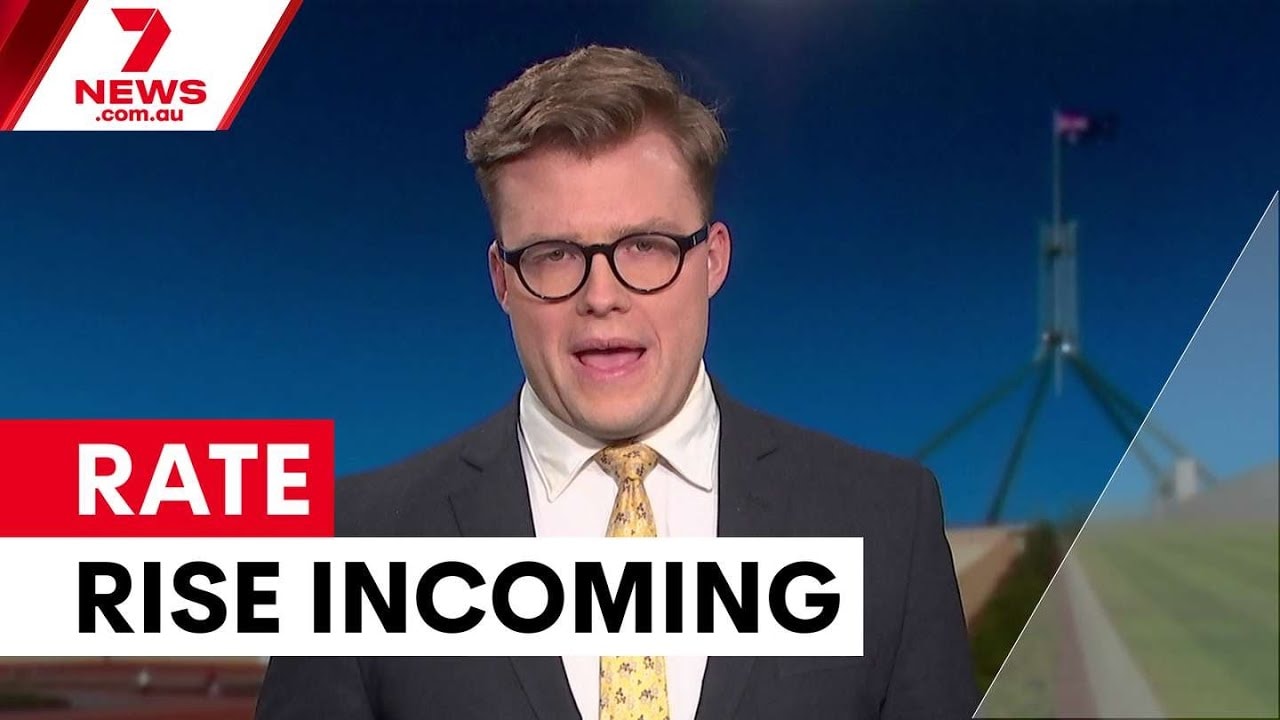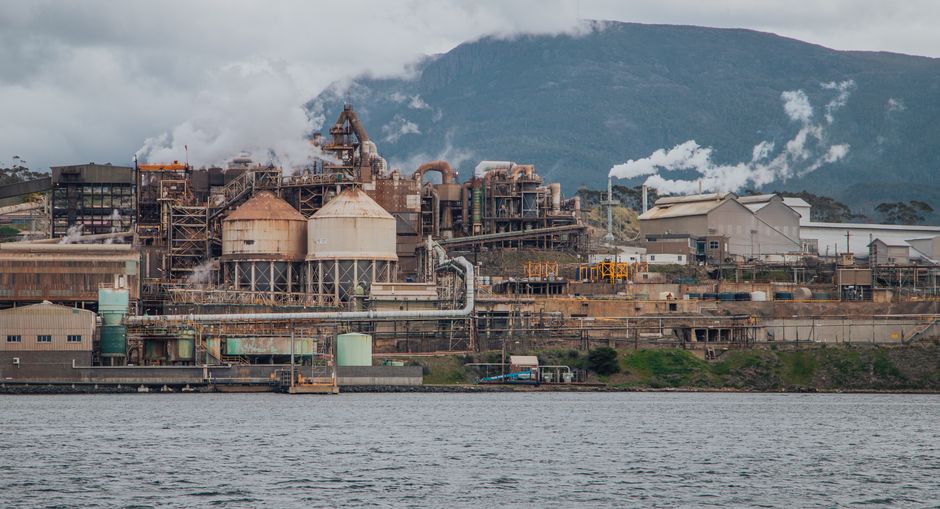
Australia's largest aluminium smelter has been pulled back from the brink, with the federal government and the New South Wales government jointly committing $2.5 billion to secure the future of Tomago Aluminium beyond 2028 — safeguarding more than 1,000 direct jobs in the Hunter Region and thousands more that depend on the plant.
Prime Minister Anthony Albanese, Energy Minister Chris Bowen, Industry Minister Tim Ayres and NSW Premier Chris Minns travelled to the smelter near Newcastle on Thursday to formally announce the deal, ending months of crisis negotiations that had left workers facing deep uncertainty about whether the site would survive when its current electricity contract expires.
What the Tomago Aluminium Deal Involves
The rescue package is structured as a joint investment across government and industry. Tomago Aluminium's owners — led by majority shareholder Rio Tinto — will commit at least $1.1 billion into the site, including $100 million specifically directed at decarbonisation activities and a demand-response program designed to help stabilise the state's electricity grid. Under that program, the plant would be able to power down during periods of peak demand, reducing its enormous draw on the grid when it is most needed.
NSW's contribution will be capped at $1.225 billion over a decade from 2029, with the federal government covering the remainder of the public funding commitment. The joint statement from both governments described the agreement as delivering a "long-term renewable energy solution" that would underpin the smelter's commercially sustainable operations and accelerate its transition away from carbon-intensive power sources.
The government said the investment would support close to three gigawatts of new renewable generation, strengthen Australia's position as a supplier of low-emissions aluminium to global markets, and include mechanisms to ensure revenue returns to the federal government when aluminium prices are elevated. Ahead of the announcement, it had been suggested that a power purchase agreement involving government-owned utility Snowy Hydro might form part of the package, but no such arrangement was mentioned in Thursday's formal statement.
Why the Smelter Was at Risk
Tomago Aluminium, which has operated continuously since 1983, produces up to 590,000 tonnes of aluminium annually and is the single largest electricity consumer in New South Wales — accounting for more than 10 per cent of the state's entire power supply. Electricity costs represent more than 40 per cent of the smelter's total operating costs, making energy pricing the central challenge to its long-term viability.
The existing power contract with AGL was due to expire in 2028, at which point energy costs were forecast to roughly double. The company had cited the rising cost of coal-fired generation and uncertainty about when sufficient renewable capacity — including the firming power needed to back it up — would be available at the scale the plant requires. Rio Tinto had previously put workers and union officials on notice late last year about the genuine risk of closure if a solution could not be found.
The smelter's predicament reflects broader pressures facing the Australian aluminium and metals processing sector. Producers are being squeezed between elevated domestic energy costs and intensifying competition from cheaper Chinese-manufactured aluminium on global markets. This deal for Tomago is the latest in a series of government interventions over the past two years, which have also included contributions to bailout packages for Rio Tinto's Boyne smelter in Queensland, the collapsed Whyalla steelworks in South Australia, and a copper smelter and refinery in Mount Isa.
The rescue comes despite Rio Tinto reporting a $US6.7 billion half-year profit last month — a 47 per cent increase on the same period a year earlier — a detail likely to fuel debate about the appropriateness of public subsidies for one of the world's largest mining companies. This pattern of major public investment in industrial infrastructure is consistent with a broader push for federal government support for regional Australia's industrial base.
Political and Community Reaction
Albanese pointed to a visit he made to Tomago in December last year — in the rain — during which he promised workers the government had their backs. "Today, alongside the NSW Government, we deliver on that promise," he said Thursday, describing the smelter as "a critical asset for the country and our manufacturing future."
Premier Minns framed the announcement as a defining moment for the Hunter: "This is a good day for the Hunter. This agreement secures more than 1,000 jobs at Tomago and thousands more that rely on the smelter, and gives the region certainty about its future."
Industry and Innovation Minister Tim Ayres emphasised the strategic importance of keeping Australia's end-to-end aluminium supply chain intact — from bauxite mining through to finished metal — describing Tomago as "Australia's largest and youngest smelter" and a linchpin of the country's industrial future.
The Electrical Trades Union acknowledged the relief felt by workers, with an organiser noting it had been "very difficult for all employees on the site" during the prolonged period of uncertainty.
What Comes Next
With the funding commitment now confirmed, attention will turn to the detailed implementation of the agreement — including how the renewable energy component will be structured and delivered, and how the demand-response program will be integrated into NSW's broader electricity network management. The ten-year funding window from 2029 suggests the deal is designed to carry the smelter well into the 2030s, by which point Australia's energy transition is expected to have matured considerably.
Australia remains one of only a handful of nations with a complete, end-to-end aluminium supply chain, and Thursday's agreement was framed by both governments as an investment not just in Hunter Region jobs, but in Australia's long-term industrial and manufacturing credentials on the world stage.