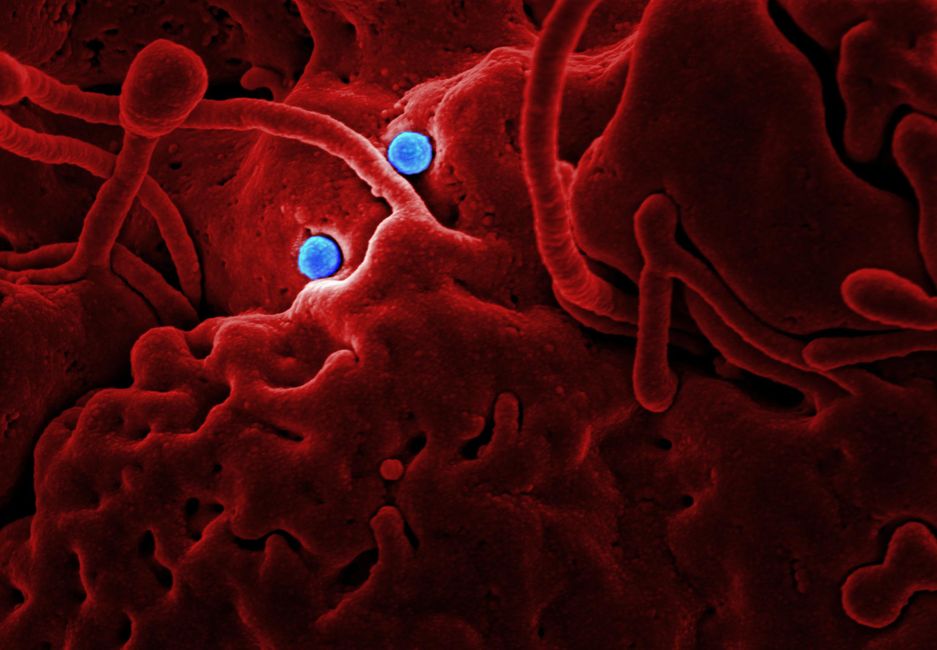
Australian scientists have identified a previously unknown route that SARS-CoV-2 — the virus responsible for COVID-19 — can use to infiltrate immune cells, setting off a chain reaction of inflammation that may explain why some patients develop severe disease. The discovery, made by researchers at La Trobe University, sheds new light on one of the most persistent puzzles of the pandemic: how the virus manages to cause such devastating lung damage in a subset of those it infects.
How the Virus Hides to Reach Immune Cells
The key finding centres on a stealth mechanism the virus appears to exploit during the body's normal cellular clean-up process. When cells become infected and begin to die, they break apart into small fragments. The study found that SARS-CoV-2 can conceal itself within these dying cell fragments, effectively hitching a ride into the body's macrophages — specialised immune cells whose job is to engulf and dispose of cellular debris.
Once inside the macrophages, the virus is able to replicate and spread to other immune cells, triggering a powerful inflammatory response. It is this response, rather than the virus itself, that researchers believe causes the severe lung tissue damage seen in the most critically ill COVID-19 patients.
Lead researcher Kha Phan, a National Health and Medical Research Centre emerging leadership fellow at the La Trobe Institute for Molecular Science, described the findings as uncovering "a novel pathway of viral transmission." He explained that macrophages, when infected, activate their natural defence mechanisms — but in doing so, drive the very inflammation that defines severe COVID-19.
"Our macrophages have a defence mechanism, so they get inflamed. They actually cause all of the defence mechanisms, triggering all the inflammation that we observe in COVID-19 patients," Phan said.
Implications for Treatment and Long COVID
Beyond explaining the biological mechanics of severe COVID-19, the researchers believe the discovery could have real-world consequences for how patients are treated. Phan said that understanding this pathway makes it easier to identify more targeted therapies that could dampen the body's inflammatory response before it spirals into life-threatening damage.
Critically, he suggested that intervening earlier and more effectively could also reduce the risk of longer-term complications. Reducing the initial severity of inflammation may lower a patient's likelihood of developing long COVID, the debilitating condition that has affected a significant proportion of those who contracted the virus.
"This fundamentally shifts the way we think about viral infections and solves a long-standing puzzle about how COVID-19 infects immune cells and drives severe inflammation," Phan said.
Broader Significance for Pandemic Preparedness
The implications of the research may reach well beyond COVID-19 itself. Phan noted that similar unknown transmission pathways could exist in other respiratory viruses — including influenza and respiratory syncytial virus (RSV) — that involve comparable inflammatory processes. Respiratory viruses collectively infect millions of people worldwide every year, with the World Health Organization estimating that seasonal influenza alone may be responsible for up to 650,000 deaths annually. More than seven million deaths linked to COVID-19 have been reported globally since December 2019.
An associate professor at UNSW's Kirby Institute with expertise in molecular virology described the findings as "incredibly important for future pandemic preparedness," particularly for deepening understanding of coronaviruses that infect the lungs and lower respiratory tract.
However, a note of caution was raised: the study used an early strain of SARS-CoV-2, which differs from the variants currently in circulation that are more likely to infect the upper respiratory tract. That distinction means further research will be needed to determine how broadly the findings apply.
The Kirby Institute expert also stressed that ongoing scientific engagement with COVID-19 remains essential, warning against complacency. "We've got to be mindful not to be apathetic," he said, noting that while many people understandably want to move on from the pandemic's disruption, the scientific lessons it holds are still being uncovered.
"Understanding these mechanisms could help us develop more effective treatments and improve our preparedness for future viral outbreaks," Phan added.