Foreign Minister Penny Wong has delivered a furious public rebuke of the Israeli Government after it announced it would not pursue criminal proceedings over the April 2024 airstrike that killed Australian aid worker Zomi Frankcom and six of her World Central Kitchen colleagues in Gaza — a decision she says falls "far short of the accountability" Australia demands.
The announcement came late on Wednesday night Australian time, just moments before Israel made it public — and landed on World Humanitarian Day, a timing Wong described as "especially insulting" to Frankcom's family and to humanitarians everywhere.
Israel's Decision and Australia's Reaction
The Israeli military's statement said it had completed reviews of 150 incidents of troop conduct in Gaza and reached decisions on five separate cases, including the April 1, 2024, strike on the World Central Kitchen convoy in Khan Younis, southern Gaza. On that incident specifically, the military concluded there was "no reasonable suspicion of criminal misconduct that would justify the opening of a criminal investigation."
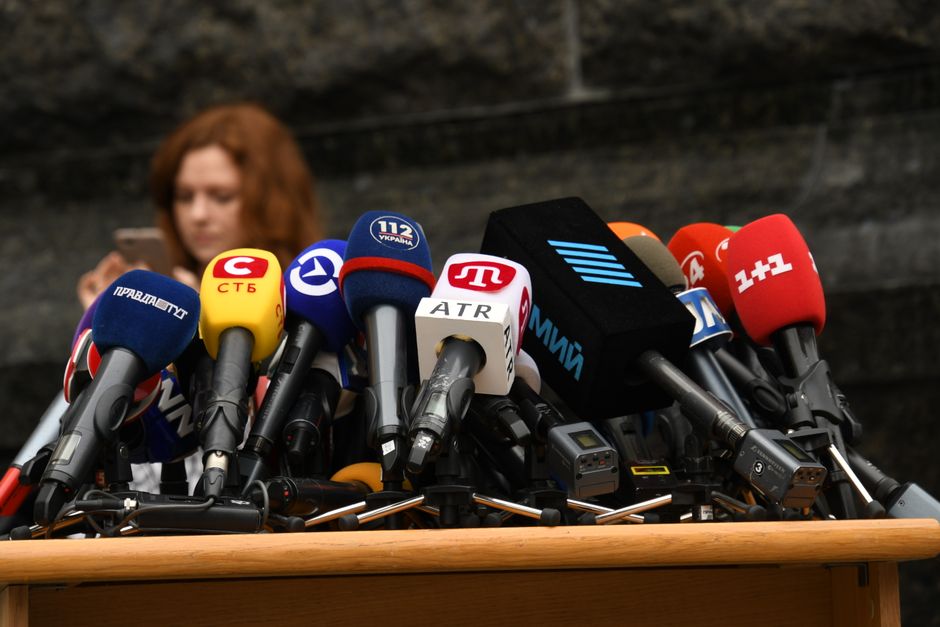
Wong did not conceal her anger, telling reporters that Australia was "outraged" by the finding. "This decision falls far short of the accountability we expect," she said in a statement. "Zomi represented the best of Australia. Her courage deserves to be celebrated. Her family deserves justice."
She also pointed to the manner of the announcement as a compounding insult — the Albanese Government had not been given sufficient notice to inform Frankcom's family before the decision was made public. "To learn of the results in this way is especially insulting and hurtful to Zomi's loved ones," Wong said at a visibly emotional press conference.
In response, the Israeli Ambassador to Australia, Dr Hillel Newman, is expected to be summoned by the Albanese Government on Thursday to answer for the decision.
What Happened to Zomi Frankcom
Frankcom, an Australian aid worker, was killed when an Israeli airstrike struck her clearly marked World Central Kitchen convoy as it operated in Khan Younis in southern Gaza. The convoy was transporting humanitarian supplies at the time of the attack.
In the immediate aftermath, the Israeli military initially claimed the convoy was being used by Hamas, a claim it later retracted, acknowledging misidentification and errors in its decision-making process. Two Israeli officers were dismissed from their positions and three senior officers were formally reprimanded — disciplinary measures that Australia and Frankcom's family have long argued were wholly inadequate.
Australia has sought drone strike footage from Israel on behalf of the family, and Prime Minister Anthony Albanese raised Frankcom's case directly with Israeli President Isaac Herzog when he visited Australia in February. The case has become a defining flashpoint in broader tensions surrounding the conflict's impact on Australian communities.
Australia's Diplomatic Push for Accountability
The Albanese Government has sought to channel its frustration into international action. Wong spearheaded a declaration aimed at protecting humanitarian personnel, which she formally launched on the sidelines of the UN General Assembly in New York in September 2025 — alongside Frankcom's brother, Mal Frankcom.
In a painful coincidence, the announcement of Israel's decision came the same day Australia had launched a Zomi Frankcom humanitarian award in her honour — meaning the government had no opportunity to prepare her family for the news before it went public.
"We had just launched the Zomi Frankcom humanitarian award, and we didn't have the opportunity to inform Zomi's family before Israel's decision was made public," Wong said. The sequence of events underscored what Australian officials described as a profound lack of respect for the diplomatic process and for the Frankcom family's grief.
Other Cases Under IDF Review
While declining to pursue criminal charges over the World Central Kitchen strike, the Israeli military confirmed it would proceed with investigations into two other high-profile incidents that drew widespread international condemnation.
The first involves the killing of five-year-old Hind Rajab and her family members in February 2024. Rajab had been trapped in a vehicle for hours, pleading over a mobile phone for paramedics to rescue her while her aunt, uncle and three cousins lay dead around her. When an ambulance finally reached her, all contact was lost. Twelve days later, the bodies of the girl, her relatives and two ambulance workers were recovered.
The second probe relates to the deaths of 15 Palestinian paramedics in Rafah in May 2025, who were shot at by Israeli troops and subsequently buried in a mass grave. The military initially claimed the vehicles had been advancing suspiciously without headlights or emergency signals, but reversed that account after footage emerged showing the Red Crescent and Civil Defence teams moving slowly with emergency lights clearly operating.
For Frankcom's family and the Australian Government, however, those investigations offer little consolation. The refusal to mount a criminal inquiry into her death — on the very day the world honours those who risk their lives to deliver aid — has deepened a rift between Canberra and Jerusalem that shows little sign of closing.