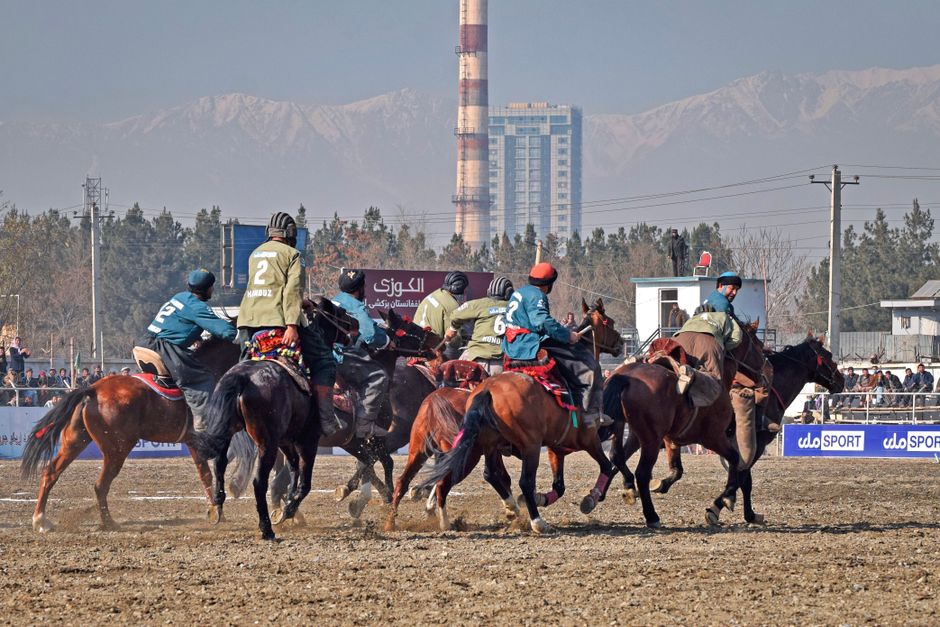
Australia is among 90 nations competing at the sixth World Nomad Games, currently under way in Kyrgyzstan, where thousands of athletes in traditional dress are contesting some of the most unusual sports on the planet — all rooted in centuries-old Central Asian and medieval Mongol traditions.
The event has drawn 4,000 competitors from across the globe, putting modern sporting ambition head-to-head with ancient cultural heritage in a spectacle unlike anything seen on the mainstream international calendar.
What are the Nomad Games — and what events are on offer?
The competition spans a striking range of disciplines. Archery features prominently, contested both on foot and on horseback before enthusiastic crowds. Among the most visually arresting events is Kok-Boru, a brutal mounted team sport in which riders compete to score goals using a goat's carcass — essentially a medieval forerunner of polo taken to an altogether more visceral extreme.
Other events push the boundaries of what most Australians would recognise as sport. Horse wrestling sees shirtless competitors manoeuvring against each other from horseback, while the program also includes golden eagle racing, bone breaking, and yurt raising — each discipline reflecting the survival skills and traditions of the region's nomadic ancestors.
One competitor who captured the crowd's imagination was a towering Iranian athlete who dominated his opponents with apparent ease, drawing loud reactions from spectators.
For those watching from the stands, the food is as distinctive as the action. Fans can sample Umach, a traditional dumpling-like delicacy, rather than the popcorn and pies of a more conventional sporting event.
How is Australia's team faring at the Nomad Games?
Heading into the final day of competition on Sunday, Australia's green and gold squad had yet to claim a medal. With the closing ceremony approaching, the team remained in contention for a late result, keeping hopes of an underdog upset alive before the Games wrapped up.
The Nomad Games represent a remarkable platform for smaller sporting nations to compete on a world stage in disciplines outside the Olympic mainstream — and for Australia, simply being part of a field representing so many cultures and traditions is itself a significant achievement.