Apple's first foldable phone, the iPhone Duo, is now in the hands of early buyers after pre-orders opened on October 16, with delivery dates quickly slipping to January as demand outstripped supply. Having spent a week testing the device, the verdict is clear: this is the most genuinely exciting iPhone in nearly a decade, but for most Australians, patience is probably the smarter play.
A Device That Turns Heads, But Comes With Caveats
There is no shortage of "wow" moments with the Duo. Friends and family who rarely give a new phone a second glance wanted to hold it, turn it over and unfold it. After years of iPhone upgrades defined by incremental chip speed improvements and modest camera tweaks, Apple has done something visibly different.
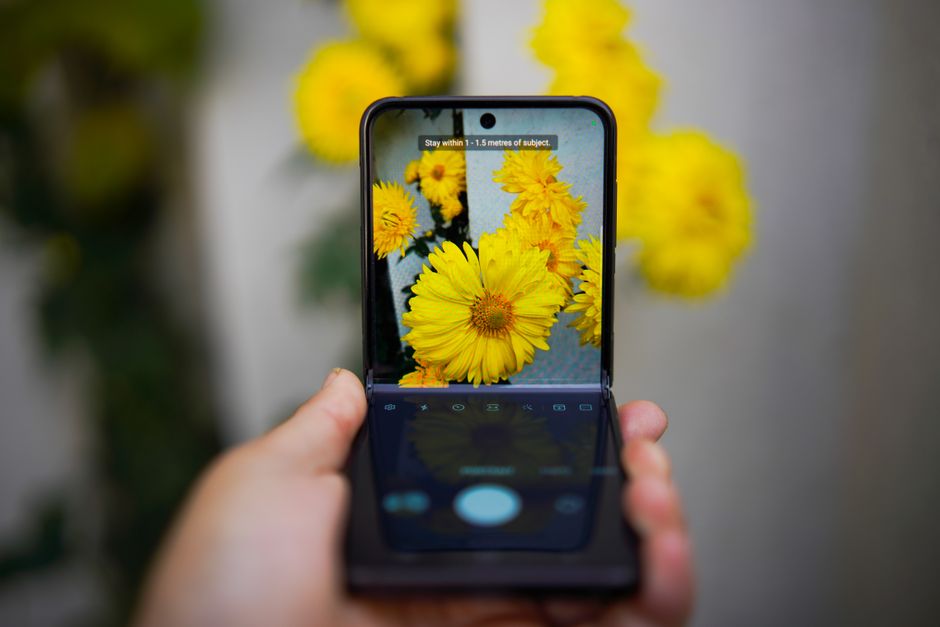
Folded, the Duo resembles a passport more than a phone: shorter and wider than a standard iPhone, with a 5.4-inch outer screen that sits comfortably in the hand. Unfolded, it opens to a 7.6-inch inner display with a matte finish Apple says reduces glare and makes the fold crease less visible. It is a compelling piece of hardware.
One notable change is the loss of Face ID. Apple has returned to Touch ID embedded in the power button, a step back that proves more noticeable in daily use than many would expect. Weight is another consideration: at 254 grams, the Duo is heavier than the iPhone 18 Pro Max (which comes in at 249 grams) and feels noticeably dense in a pocket. For context on how the Duo fits into Apple's broader 2026 lineup, see our iPhone 18 Pro review.
Supply Constraints and a Rocky Launch for New CEO John Ternus
The Duo's arrival has not been entirely smooth. Pre-orders opened on October 16 and within hours, Apple's online store was showing delivery estimates pushed out to January. Apple described demand as "extraordinary," but supply is also understood to be a significant factor in the wait.
Reports indicate Apple was aware supply would be constrained before going on sale globally. Production yields, the proportion of units passing quality checks on the manufacturing line, are understood to sit at around 60 per cent, meaning roughly four in every ten Duos produced do not make it to shelves. It is a challenging start for Apple chief executive John Ternus, whose first major product launch as CEO now has customers waiting up to three months. Read more on the iPhone Duo's unveiling and pricing.
The App Gap Is Real, and It Matters
The biggest practical frustration with the Duo is how few apps are actually ready for its large inner screen. Apple organises apps into three tiers: those fully optimised for the Duo stretch across the whole display with controls repositioned to the sides; a second tier fills most of the screen; and older apps float in the centre surrounded by black space, often appearing soft or blurry even when scaled up.
In real-world use, the phone was opened as a tablet only four or five times a day, compared to roughly 100 interactions with the outer screen closed. That ratio, around 20 regular phone uses for every one tablet use, reflects how much daily life still runs through apps that have not yet been updated. Banking apps, public transport apps and news apps remain unoptimised at launch, though popular social platforms including Facebook, Instagram and Threads were updated during the review period and look excellent on the larger display.
Multitasking also lags behind the competition. The Duo supports only two apps side by side, while Samsung's Galaxy Z Fold 8 runs three simultaneously plus floating windows.
Where the iPhone Duo Actually Shines
On the move, the Duo is genuinely impressive. On a three-hour flight, watching a film on the inner screen was vivid and far superior to a standard phone, with the battery dropping only 10 per cent over the journey. On public transport, streaming video on the Duo is in a different class compared to a regular handset. Battery life overall is strong, with a typical day ending at around half charge.
The Duo's core promise, a tablet that folds into your pocket, is real and it works. The hardware is ahead of the software ecosystem right now. For early adopters who can live with the app gaps, the weight and the wait, it delivers. For everyone else, giving it six to twelve months for the app landscape to catch up is the wiser call.

