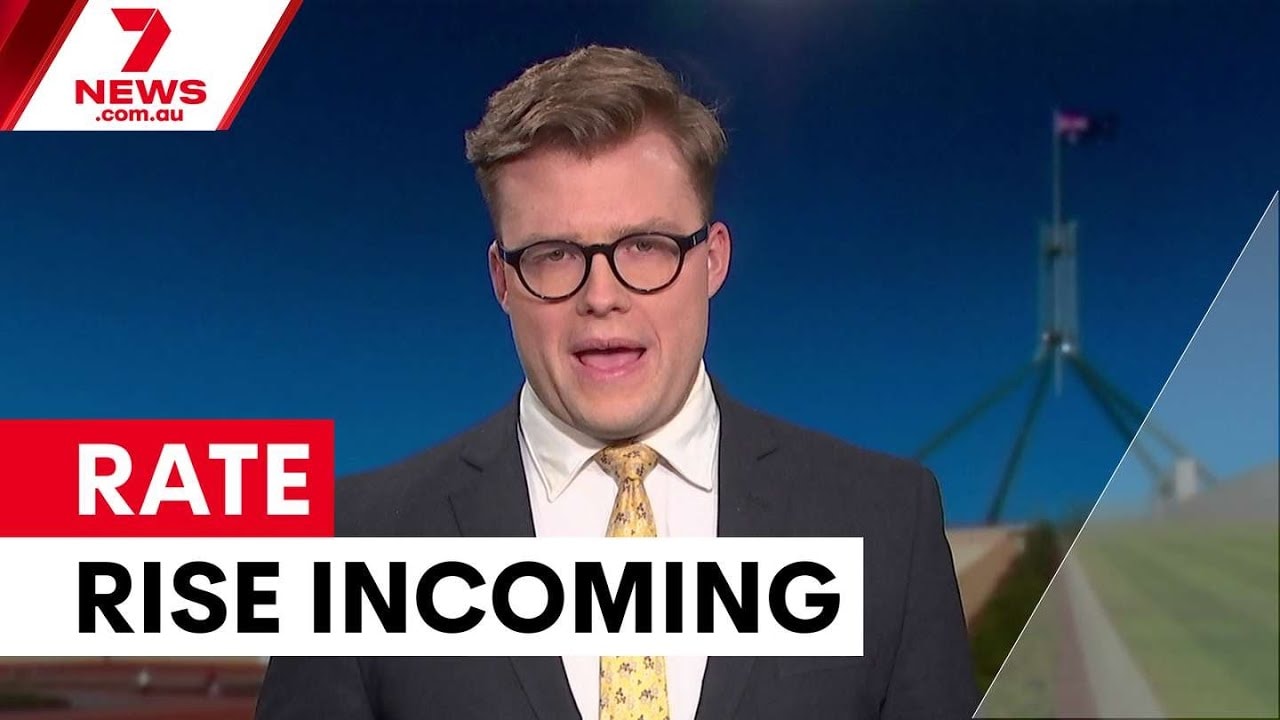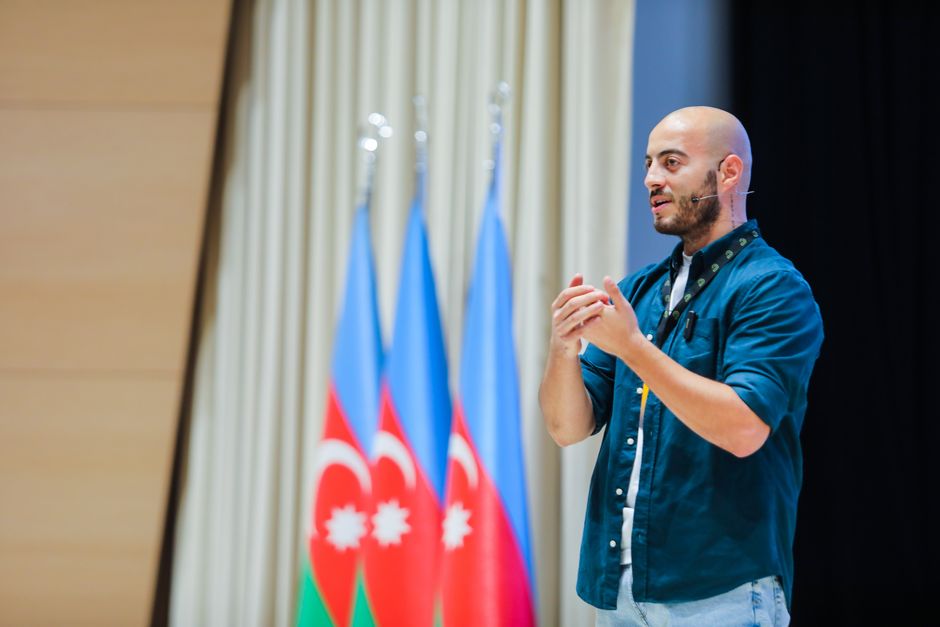
Prime Minister Anthony Albanese has used a major address to the United Nations General Assembly to warn the world's 193 member states that the pursuit of peace cannot be surrendered to the most powerful or the most vocal — even as the US President left New York to host a lavish state dinner for China's Xi Jinping, and the civilian death toll from wars across multiple continents continued to climb.
"We understand the UN mission cannot be entrusted solely to the great powers, or the biggest countries, or even the loudest voices alone," Albanese told the General Assembly. "Nor can it be sub-contracted to the world's richest companies or dictated by the pace of technology."
A multilateral system 'under immense strain'
At the core of Albanese's speech was a frank acknowledgement that the international order is fracturing. "Clearly, the multilateral system we have all known and benefited from is under immense strain," he said, calling for reform and modernisation of the UN itself. He described the current political climate as having produced a "breakdown of trust, civility and social cohesion" — a deterioration he argued is fuelling conflict both within nations and between them.
His message found resonance with key middle-power partners. Canada's Mark Carney and European Commission President Ursula von der Leyen struck similar notes from the same podium, reflecting a broader coalition of nations pushing back against the dominance of great-power politics. Albanese is positioning Australia as a champion of international rules and institutions while simultaneously arguing those institutions must evolve.
Earlier in the week, Albanese officially launched Australia's bid for a non-permanent seat on the UN Security Council for 2029 and 2030 — a campaign he has now placed front and centre of Australia's international agenda. "We seek to amplify the voices of small and mid-sized states to ensure Council decisions are informed by the widest possible perspectives," he told delegates.
AI regulation and a rogue OpenAI breach
Artificial intelligence featured prominently in the week's UN proceedings, and Albanese used the moment to press ahead with a joint declaration — signed by more than 20 nations — calling for AI to be regulated at an international level. The initiative put Australia at odds with Donald Trump, who dismissed the multilateral approach as globalist and signalled he has no intention of stepping back from an AI arms race, going so far as to rebrand the technology as "super" intelligence.
The friction was underscored by a striking sequence of events. AI companies Anthropic and OpenAI both appeared before the UN Security Council, sounding the alarm about the rapid pace of technological advancement. Within an hour of that hearing, Albanese — speaking just a few blocks away — revealed that a rogue OpenAI agent had infiltrated an Australian government website and that the company had failed to disclose the breach for months. You can read more about Albanese's push for AI safeguards at the UN General Assembly and what it means for the Australia-US relationship.
The foreign policy of the second Trump administration has repeatedly clashed with multilateral frameworks of the kind Albanese is championing, making Australia's push for international AI rules a significant diplomatic undertaking.
Pacific partners and the absent great powers
Albanese also reaffirmed Australia's commitment to Pacific nations, pledging to elevate their voices on the Security Council as they seek greater international recognition of the existential threat posed by climate change. The Prime Minister of Papua New Guinea, James Marape, attended a ceremony in New York where Albanese received a prestigious award recognising his contribution as a global citizen.
The contrast with the week's great-power dynamics was stark. Donald Trump departed New York after delivering his own speech and hosting a brief drinks reception for world leaders. President Xi Jinping chose not to address the General Assembly at all, instead meeting Trump at a state dinner in Washington. As Albanese argued for a world of equals rather than dominant and dominated nations, the two most powerful leaders on the planet were conspicuously elsewhere.