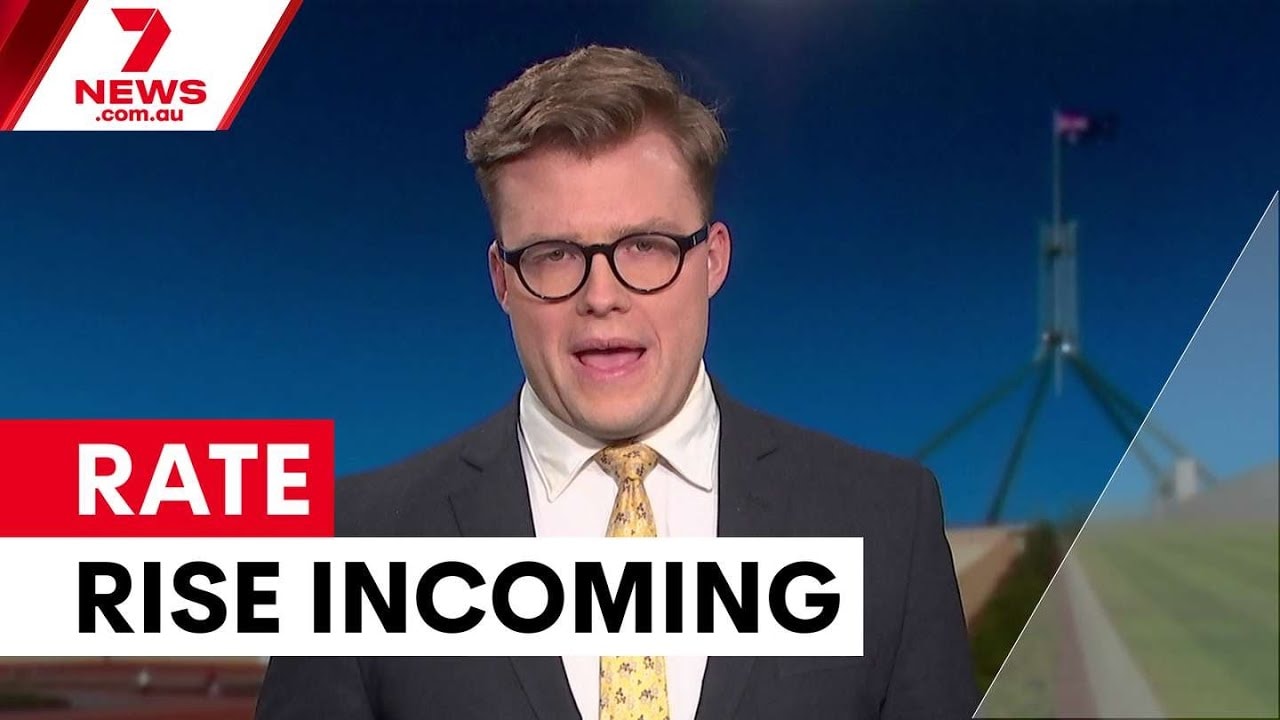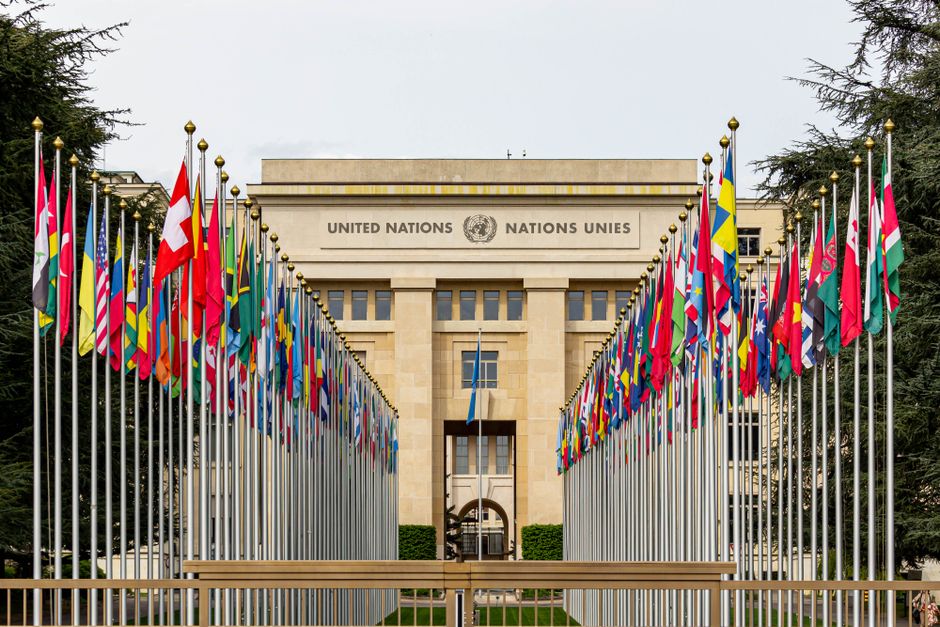
Prime Minister Anthony Albanese is preparing to make a direct pitch to United States President Donald Trump for stronger guardrails on artificial intelligence, with the two leaders set to come face-to-face on the sidelines of the United Nations General Assembly in New York this week.
Albanese is in New York for the UN's high-level week, where a series of bilateral meetings are expected to take place. While a formal one-on-one with Trump has not been confirmed, the two leaders are scheduled to attend a gala reception hosted by the US president, giving Albanese the opportunity to raise his concerns directly.
"We have a view about artificial intelligence that there needs to be appropriate safeguards put in place, and I will advocate that privately, the same as I will publicly," Albanese told reporters in New York on Monday, Australian time. "I have a very positive and constructive relationship with the president, and I will engage respectfully and constructively with him."
Trump and Albanese at Odds Over AI Regulation
The push puts Albanese on a collision course with Trump, who has previously dismissed concerns about the rapid expansion of AI as a "hoax". Trump has also argued that any slowdown in the United States' AI development risks ceding ground to China in what has become a fiercely contested technological race.
Despite the significant difference in positions, Albanese has signalled he will not shy away from the conversation, framing the issue as one of global importance that transcends national borders. He has been working to build international support at the UN for coordinated regulatory measures across the AI sector.
The Prime Minister's push at the UN coincides with prominent voices from within the tech industry itself calling for restraint. OpenAI chief Sam Altman and Anthropic chief executive Dario Amodei have both publicly called for a slowdown in AI development — lending weight to the case Albanese intends to make on the world stage.
For more on Australia's domestic AI policy agenda, see our earlier coverage of how Albanese has been urging states to back a national AI and data centre plan.
Apple Visit and Online Safety Focus
Before arriving in New York, Albanese made a stop in California, landing in San Jose on Saturday morning Australian time. He was greeted by Australian Ambassador to the US Greg Moriarty ahead of a packed schedule that included a closed-door discussion with former Apple chief executive Tim Cook at Apple's California headquarters on Sunday, Australian time.
The meeting with Cook centred on digital safety and online protections, with AI concerns also on the agenda. The tech executive had extended an open invitation to the Prime Minister following a conversation in June about Australia's world-first social media ban for children under 16. Apple has indicated its own parental control measures were partly inspired by the Australian legislation, and Albanese was shown demonstrations of how those measures are applied on Apple devices.
The Prime Minister has been keen to position Australia as a global leader in digital safety, noting that other nations are actively looking to Australia's regulatory model. "Other nations are reaching out, looking at the work that Australia has done," he said upon his arrival in California.
Broader UN Agenda: AI Standards, Iran and the Security Council
Digital safety and AI governance are expected to feature prominently in Australian addresses throughout the UN week. Among the measures Australia is championing are national standards requiring AI companies to be powered by renewable energy, and obligations on data centres to underwrite new power supply. The federal government is also expected to introduce AI legislation later this year, with Albanese leaving open the possibility of a model that would allow content creators to opt out of having their work used to train AI systems. Copyright protections have been flagged as a potential sticking point for AI companies weighing up investment in Australian operations.
Albanese is also planning to raise the conflict involving Iran with Trump, urging a de-escalation that he said was critical for the global economy. "We need to see (a de-escalation) because this is having a massive impact on the global economy, which affects Australians," he said, noting the war's effect on global oil prices and inflation. The two leaders previously discussed the Iran conflict and US tariffs on Australia in a phone call in August. For the latest on those diplomatic developments, see our reporting on Trump's approach to Iran strikes and fresh nuclear talks.
Australia's UN visit will also advance its campaign for a seat on the Security Council. The country is bidding for one of the 10 non-permanent member positions for a two-year term in 2029 and 2030, with the vote not due until 2028. Australia and Finland are currently the only declared candidates for the two available spots from the Western Europe and Others Group, though a two-thirds majority of UN members would still need to endorse the bid if no additional countries come forward.
On the sidelines of the General Assembly, Albanese will also receive an Atlantic Council Global Citizen Award recognising his contribution to security and stability in the Indo-Pacific. He will be honoured alongside Finnish President Alexander Stubb, Formula 1 president Stefano Domenicali, and actress and Oscar nominee Cynthia Erivo.