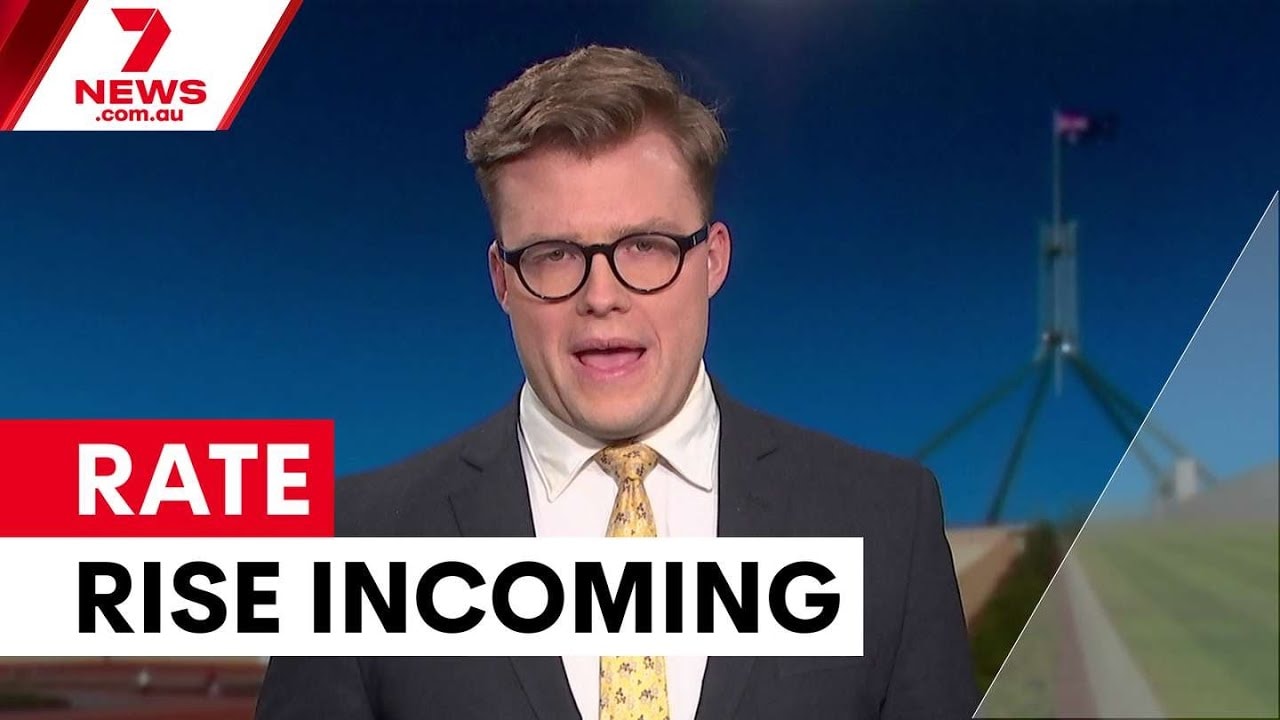

CANBERRA, AUSTRALIA — Albanese tax changes are back in focus as the Prime Minister signals his government may revisit property tax settings he explicitly ruled out before the election. With the federal budget being framed as his “most important” yet, Anthony Albanese is attempting to balance cost-of-living pressure, housing affordability, and growing public concern about political trust.
The debate centres on whether Labor will move to limit negative gearing and capital gains tax concessions, measures that could reshape the housing market and become one of the most politically sensitive decisions of the government’s term.
One year after a historic win, pressure is building
A year on from Labor’s history-making election victory, Albanese is presenting a government dealing with a far more difficult environment than the one it inherited. The national mood has been shaped by international instability, a renewed rise in inflation, fuel market uncertainty, and the shock of the Bondi tragedy.
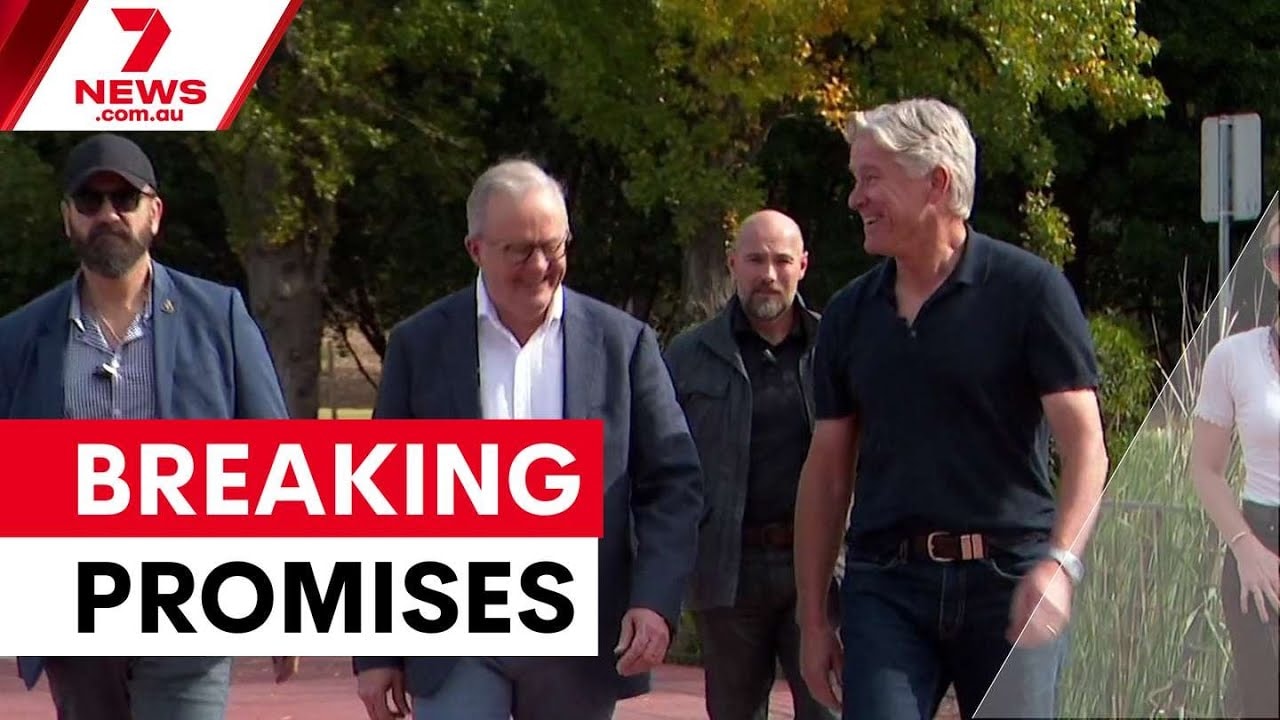
During a reflective appearance in Canberra on RG Menzies Walk, the Prime Minister described the past year as extraordinary. He pointed to global conflict, rising economic strain and domestic trauma as defining features of the political landscape.

Albanese said the Bondi attack was a horrific event that shook the nation, while also arguing that Australia remains, overwhelmingly, a harmonious country. Even so, the broader political climate appears more brittle, with frustration over affordability and trust in politics continuing to deepen.
The housing tax promise now under scrutiny
The most contentious issue is housing policy. Before the election, Albanese categorically ruled out changes to negative gearing, saying it was “off the table”. Now, cabinet is considering whether to limit that concession, along with capital gains tax discounts, in the upcoming budget.
The government’s stated aim is to make the housing market fairer for younger Australians trying to buy their first home. That framing is politically potent, particularly as housing affordability has become one of the sharpest generational divides in the country.

But the policy shift also raises a harder question: if a promise made during an election campaign can later be reversed, what does that do to confidence in political commitments?
That is the core of the criticism now facing the Prime Minister. Opponents argue the issue is no longer just tax design or housing supply, but integrity. If voters were told clearly that a tax measure was not under consideration, any reversal risks looking like a breach of faith.
Promises versus values: Labor’s defence
Albanese’s defence is that the budget will contain measures consistent with the values Labor took to the election. In other words, the government is arguing that while specific policy settings may evolve, the broader mission remains the same: easing pressure on lower- and middle-income Australians and expanding access to opportunity.
That defence rests on Labor’s record over the past year. Albanese pointed to:
- minimum wage rises,
- fee-free TAFE being written into law,
- additional housing support for people on welfare, and
- efforts to secure fuel supplies amid global instability.
For the government, these measures are intended to show continuity rather than contradiction. For critics, they may not answer the narrower complaint that a direct pre-election assurance appears to be unravelling.
Why negative gearing and capital gains tax matter
Negative gearing allows property investors to deduct losses on an investment property against other taxable income. Capital gains tax concessions then reduce the tax payable when assets, including investment properties, are sold for a profit.
Together, those settings have long been defended as a support for investment, but criticised for fuelling investor demand and making it harder for first-home buyers to compete. Any move to limit them would be politically explosive because it touches home values, investor confidence, and intergenerational fairness all at once.
Labor’s apparent willingness to reconsider these settings suggests the government sees housing affordability as too serious to avoid difficult tax questions. It also signals a recognition that younger voters increasingly expect structural reform, not just small-scale support packages.
The politics of generational fairness
Albanese has brushed aside criticism that he is targeting baby boomers in order to appeal to younger voters. Instead, he says many of the complaints he hears come from parents and grandparents who are concerned about how difficult the property market has become for younger Australians.

That is an important political distinction. Rather than framing the debate as young versus old, the Prime Minister is trying to present housing reform as a family-wide concern shared across generations.
The message is simple: even many Australians who already own property recognise that the current system feels increasingly unfair to their children and grandchildren. Whether that argument holds up electorally will depend on the detail of any budget changes and how broadly they apply.
Fuel prices and global uncertainty remain a major threat
The budget debate is unfolding against a backdrop of fresh concern over fuel costs. The government says fuel shipments have been locked in for the next month, but beyond that there is significant uncertainty as tensions between the United States and Iran continue without any clear resolution.
Albanese acknowledged the likelihood of a prolonged economic impact, with Australians needing to prepare for higher petrol prices for an extended period. That warning matters because fuel costs quickly flow through to household budgets, freight, and inflation.

The Prime Minister has not ruled out extending the 26.3 cent per litre fuel excise cut. That leaves open the possibility of further relief if global conditions deteriorate, although any such move would need to be weighed against the budget’s broader fiscal pressures.
This is one reason Albanese has described the coming budget as his most important yet. It is not simply a statement of spending priorities. It is a test of how the government intends to respond to overlapping economic shocks while preserving political credibility.
For broader context on fuel taxation in Australia, readers can refer to the Australian Taxation Office and budget policy updates published by the Australian Government Budget.
A budget that may not please everyone
When asked whether Australians should brace for bad news, Albanese declined to go into detail, instead saying people would see the budget soon enough. That careful language suggests the government is preparing the public for decisions that may be difficult, divisive, or both.
There is a political logic to that approach. Any budget built around housing reform, cost-of-living pressures and uncertain fuel markets is almost guaranteed to create winners and losers. Measures designed to help first-home buyers, for instance, may unsettle investors or property owners. Relief at the petrol bowser may help households, but put additional pressure on the public finances.
In that sense, the coming budget is shaping up as a statement of priorities as much as a ledger of numbers. It will show where Albanese believes the political and economic pressure points now sit.
What this means for Albanese’s longer-term ambitions
Albanese has also made clear that he intends to contest a third term in 2028. That matters because the choices made now are not just about the next budget cycle; they are about defining the government’s long-term identity.
If Labor moves ahead with politically risky housing tax reform, it will be wagering that voters prefer action on affordability over strict adherence to a previous no-change commitment. If it pulls back, the government may preserve short-term stability but look hesitant on one of the country’s biggest structural problems.
Either way, the decision will likely shape Albanese’s standing well beyond this year. Comparisons with long-serving Labor leaders may be tempting, but those ambitions ultimately depend on how voters judge the trade-off between pragmatism and promise-keeping.
The bigger issue: trust in politics
At the centre of this story is a broader democratic challenge. Governments often argue that changing circumstances require changed policies. Voters, however, tend to judge leaders by the clarity and reliability of what they were told before an election.
That tension is especially sharp during periods of economic stress. When households are under pressure from inflation, housing costs and fuel bills, tolerance for political flexibility often falls. What might once have been defended as policy adaptation can instead be heard as a broken promise.
That is why the language around this budget matters so much. Labor is trying to frame its decisions through values and fairness. Critics are framing the same issue through integrity and trust. The public response will turn on which argument feels more convincing.
Key takeaways
- Anthony Albanese is considering changes to negative gearing and capital gains tax concessions despite previously ruling them out.
- The government says any budget measures will remain consistent with the values it took to the election.
- Housing affordability for younger Australians is being used as the central justification for possible reform.
- Critics argue the issue is also about political integrity and whether election promises can be trusted.
- Global instability and fuel market uncertainty are adding pressure to what Albanese calls his most important budget yet.
- The Prime Minister has not ruled out extending the 26.3 cent per litre fuel excise cut if petrol prices remain elevated.
- Albanese says he intends to seek a third term in 2028, making this budget a potentially defining moment in his leadership.
FAQs
What tax changes is Anthony Albanese considering?
The government is considering limiting negative gearing and capital gains tax concessions, particularly as part of efforts to improve housing affordability for younger buyers.
Did Albanese previously rule out these changes?
Yes. Before the election, he said negative gearing was “off the table”. That earlier commitment is now central to the criticism he is facing.
Why is the government revisiting housing tax settings now?
The stated reason is to create a fairer housing market, especially for younger Australians struggling to buy a home. Housing affordability has become one of the most pressing economic and political issues in the country.
How is Albanese defending the possible policy shift?
He argues that the budget will be consistent with Labor’s election values, pointing to measures such as minimum wage rises, fee-free TAFE, welfare housing support and action on fuel supply.
What does fuel pricing have to do with this budget?
Fuel prices are another major cost-of-living pressure. The government has secured fuel shipments for the short term, but ongoing global tensions mean higher petrol prices could continue and may require further policy responses.
Could the fuel excise cut be extended?
Albanese has not ruled it out. He left open the possibility of extending the 26.3 cent per litre excise cut if fuel prices remain high.
Why is this budget being called so important?
Because it arrives at a time of economic uncertainty, housing stress, political scrutiny and global instability. It is likely to reveal the government’s priorities on affordability, tax policy and trust.
The information in this article has been adapted from mainstream news sources and video reports published on official channels. Watch the full video here Albanese considers tax changes despite election promises | 7NEWS