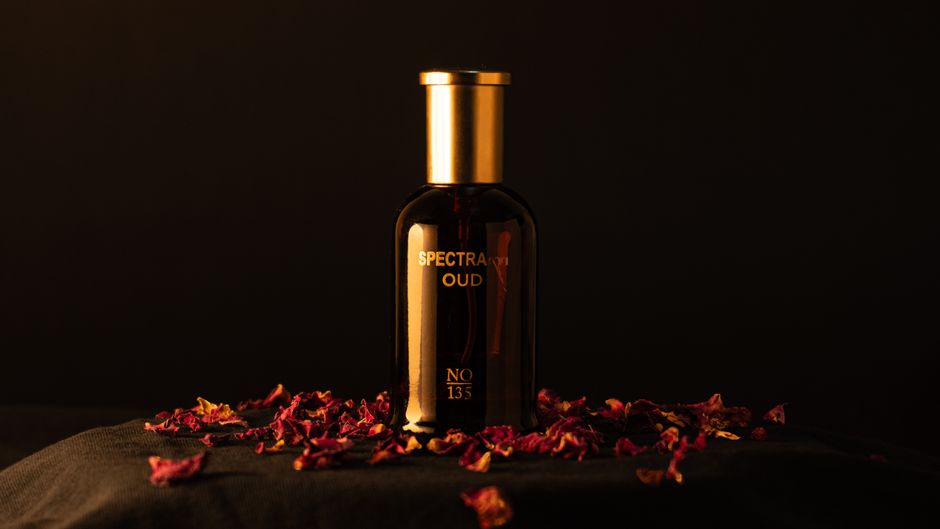
Australia's Afghan diaspora has quietly built one of the most vibrant and culturally distinct communities in the country — and now, that community is making its presence felt in an unexpected corner of the lifestyle economy: luxury fragrance.
The Rise of Afghan Celebrity Culture in Australia
Over the past decade, a new generation of Afghan-Australian creators, influencers, and entertainers has emerged from cities like Melbourne, Sydney, and Brisbane, commanding audiences that stretch well beyond their own communities. These figures — many of them children of refugees who arrived during the turbulent years of the 1990s and early 2000s — have carved out identities that blend Afghan heritage with distinctly Australian sensibilities. The result is a cultural hybrid that resonates powerfully on social media, in music, and increasingly, in fashion and beauty.
The trajectory mirrors patterns seen globally, where diaspora communities produce outsized cultural talent relative to their population size. In the same way that mainstream celebrity-driven commerce — think the empire built by Kim Kardashian — demonstrated that personal brand can translate directly into product lines worth billions, Afghan-Australian public figures are beginning to leverage their platforms for tangible commercial ventures.
What makes this moment particularly significant is the authenticity driving it. Afghan culture has a centuries-old relationship with scent — oud, rose, and saffron have been traded across the Silk Road for generations. For Afghan-Australian celebrities to collaborate with fragrance houses is not a stretch or a novelty; it is, in many ways, a homecoming.
- Community reach: Australia is home to approximately 50,000 people of Afghan descent, with strong concentrations in Victoria and New South Wales.
- Digital influence: Several Afghan-Australian creators have amassed followings in the hundreds of thousands across TikTok and Instagram.
- Cultural capital: Afghan aesthetics — intricate, aromatic, richly layered — are increasingly desirable in the premium lifestyle market.
Notable Afghan-Australian Celebrities Entering the Fragrance Market
Australia's Afghan diaspora has produced a growing cohort of public figures — musicians, athletes, fashion personalities and social media influencers — who are increasingly leveraging their cultural profiles into commercial ventures, with fragrance emerging as a particularly compelling avenue.
Among the most visible names is Melbourne-born content creator and fashion commentator Freshta Rahmani, whose social media following spans several hundred thousand Australians and who announced a limited-edition scent collaboration with an independent Sydney perfume house in mid-2025. The fragrance, drawing on rose, saffron and oud — notes deeply embedded in Afghan cultural tradition — sold out within days of its online launch, signalling genuine consumer appetite.
Afghan-Australian boxer and community advocate Ramish Sultani has similarly explored brand partnerships in the lifestyle and grooming space, with industry sources suggesting a signature fragrance line is in active development. His crossover appeal — spanning sports audiences, the Afghan-Australian community and broader multicultural demographics — makes him an attractive collaborator for both boutique and established fragrance brands.
The music sector has also seen movement. Several Afghan-Australian artists operating across hip-hop and contemporary R&B have been approached by Australian fragrance distributors looking to tap into younger, culturally diverse audiences who respond strongly to authentic storytelling behind a product.
What distinguishes these collaborations from standard celebrity scent deals is the deliberate cultural narrative being woven into each launch — ingredients sourced with connection to Afghan heritage, packaging referencing traditional artisan aesthetics, and campaigns conducted partly in Dari or Pashto alongside English. This approach reflects a broader shift in Australian consumer culture, where buyers increasingly seek products with genuine provenance rather than generic celebrity endorsement.
For Afghan-Australian public figures, fragrance is not merely a commercial sideline. It represents an opportunity to assert cultural identity loudly and commercially in the mainstream Australian market.
How These Collaborations Are Shaped and Launched
Behind every Afghan celebrity fragrance collaboration in the Australian market lies a surprisingly structured process — one that blends cultural storytelling with hard commercial strategy. These deals rarely emerge overnight. They typically begin with months of negotiation between fragrance houses, talent representatives, and Australian retail or distribution partners, with cultural authenticity sitting at the centre of every conversation.
The launch blueprint tends to follow a recognisable pattern, though the specifics vary depending on the celebrity's profile and target audience:
- Creative development: The celebrity works closely with master perfumers to identify scent profiles that reflect their personal heritage — often drawing on traditional Afghan ingredients such as oud, saffron, rose and amber.
- Storytelling and branding: Packaging, campaign imagery and brand language are carefully crafted to communicate a narrative that resonates with both diaspora communities and mainstream Australian consumers.
- Retail partnerships: Australian stockists — from independent boutiques to major department store chains — are locked in ahead of a coordinated launch window, often timed around cultural events or gift-giving seasons.
- Digital and social rollout: Influencer seeding, short-form video content and community engagement campaigns drive awareness across platforms popular with younger Australians.
What distinguishes these launches from generic celebrity fragrance deals is the deliberate effort to frame the product within a broader cultural conversation. These are not simply commercial exercises — they carry weight as acts of representation for a community that has historically had little visibility in Australian luxury and lifestyle markets.
For readers following the intersection of culture, commerce and identity in Australia, the Business & Lifestyle section at Breslin Media Network tracks these developments with the same rigour applied to Politics & Power — because the stories shaping how Australians spend, identify and celebrate are every bit as consequential.
Cultural Influences Blending East and West in Scent Design
At the heart of these Afghan celebrity fragrance collaborations lies something far more layered than commercial ambition — a genuine negotiation between two distinct sensory traditions. Afghan perfumery carries centuries of heritage, drawing heavily on oud, rose attar, saffron, and frankincense, ingredients that carry deep cultural and spiritual weight across Central and South Asia. When these elements are brought into dialogue with the cleaner, lighter aesthetic that dominates contemporary Australian and broader Western fragrance markets, the result is rarely a simple compromise.
What makes these collaborations culturally significant is the deliberate refusal to flatten one tradition in service of the other. Instead, the most thoughtful projects have approached scent design as a form of cultural conversation, with Afghan-Australian identities sitting at the intersection rather than being asked to choose a side. This mirrors broader shifts happening across Australian multicultural life, where hyphenated identities are increasingly shaping creative industries on their own terms.
The blending process itself becomes a kind of storytelling. Key contrasts being navigated include:
- Intensity versus restraint — traditional Afghan fragrances are often rich and long-lasting, while Western preferences frequently favour subtlety and projection control
- Natural versus synthetic bases — Eastern perfumery leans on raw botanical and resinous materials, whereas contemporary Western houses often rely on synthetic accords for consistency and cost
- Occasion and meaning — in Afghan culture, fragrance is deeply tied to hospitality, ceremony, and identity, rather than the individualised lifestyle branding more common in Western markets
For Afghan-Australian creatives navigating this space, the fragrance itself becomes a statement about belonging — proof that cultural synthesis does not require erasure, but can instead produce something genuinely new and commercially compelling for Australian audiences.
Market Reception and Consumer Demand in Australia
The Australian response to Afghan celebrity fragrance collaborations has been quietly but unmistakably strong. Multicultural cities like Melbourne, Sydney and Brisbane — home to some of the largest Afghan diaspora communities in the Southern Hemisphere — have driven early sales figures that caught even optimistic retailers off guard. Independent perfumeries in suburbs with high Afghan-Australian populations reported waiting lists within weeks of launch, a level of organic demand rarely seen outside mainstream luxury releases.
What makes this market reception notable is its breadth. While diaspora communities formed the initial core of buyers, broader Australian consumers have shown genuine curiosity, drawn in by compelling origin stories, ethical sourcing narratives and a cultural authenticity that mass-market fragrance simply cannot replicate. Industry observers point to several factors fuelling that crossover appeal:
- Growing consumer appetite for provenance — Australians increasingly want to know where ingredients come from and whose hands shaped the product.
- Social media amplification — Afghan-Australian influencers and community figures have carried these launches far beyond traditional advertising reach.
- Boutique retail positioning — Limited availability has reinforced desirability rather than hindering it.
- Price accessibility — Several collaborations have deliberately avoided ultra-luxury pricing, widening the potential buyer base significantly.
Retailers in the beauty and lifestyle space have taken notice. Buyers who once overlooked niche cultural fragrance lines are now actively seeking meetings with distributors, recognising that the Australian market's documented love of storytelling-driven products aligns naturally with what these collaborations offer.
The convergence of cultural pride, commercial instinct and genuine creative talent driving these Afghan celebrity fragrance collaborations tells a bigger story than sales figures alone can capture. In Australia, a country still negotiating its own relationship with multiculturalism, these releases represent something quietly significant — proof that diaspora communities are not merely consumers of mainstream culture but confident, commercially savvy creators of it, reshaping the nation's lifestyle landscape from the ground up.