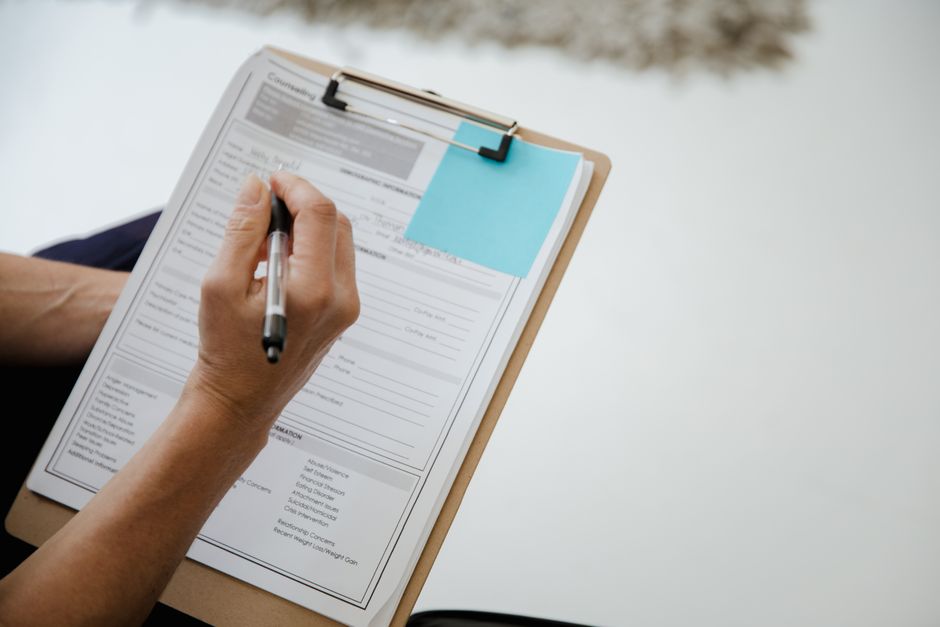
Australia's 2026 Census is less than three weeks away, with Census night set for Tuesday, August 11. The five-yearly count, run by the Australian Bureau of Statistics (ABS), is the nation's largest statistical undertaking — capturing a comprehensive snapshot of who Australians are, where they live, how they work and what their lives look like at a single point in time.
The data gathered shapes decisions on everything from school funding and healthcare services to transport infrastructure, and directly informs how billions of dollars in Commonwealth funding is allocated across the country.
Who must take part in the 2026 Census?
Participation is compulsory — and the requirement is broader than many people realise. Every person physically present in Australia on August 11 must be counted, regardless of nationality or circumstances.
According to the ABS, that includes FIFO workers, international students, tourists, temporary visa holders and even newborn babies. "The Census must include every household and every person in Australia," an ABS spokesperson confirmed.
Generally, one member of each household completes a single form on behalf of everyone living there, though separate forms can be requested for privacy reasons.
The one group exempt from completing the Census are Australians who are overseas on Census night — they are not required to fill out a form. Those who know they will be abroad can notify the ABS in advance.
For more detail on legal obligations and what happens if you don't comply, see our full explainer on who must complete the 2026 Census, when it's due, and what happens if you don't.
How to complete the 2026 Census
The ABS is taking a digital-first approach this year. From July 29, most households will begin receiving instructions by mail on how to complete their Census form online. The agency expects 85 per cent of Australians to complete the Census via the internet — up from 83 per cent in 2021 and a significant leap from just 10 per cent when the online option was introduced in 2006.
For those who prefer or need a paper form, that option remains available. Census field officers — identifiable by ABS photo identification and bright yellow satchels — are already visiting some communities to drop off paper forms and offer guidance.
People travelling domestically, working at remote mining camps, stationed at defence facilities or staying at caravan parks and campgrounds on Census night will still need to be counted. Employers and accommodation providers will distribute and collect forms, and the Census can also be completed online ahead of time if a person knows where they will be on the night. Census field staff will visit caravan parks and campgrounds before August 11 to ensure travellers are covered.
If someone else is completing a Census form for your usual home address while you are away elsewhere in Australia, your household member will need to mark you as "away but usually living at the dwelling."
What questions will the Census ask?
The 2026 Census contains 66 questions spread across nine topic areas. Respondents will be asked about their name and date of birth, marital status, country of birth, ancestry, occupation and income, among other subjects.
This year's Census introduces new questions on gender and sexual orientation for people aged 16 and over. The ABS says these additions will help build a clearer picture of Australia's LGBTQ+ population and support planning for health and community services. A question on sex — which has featured in every Australian Census since 1911 — remains part of the survey, with the new question asking about sex recorded at birth.
The questions on religious affiliation, gender and sexual orientation carry a "prefer not to answer" option, making them effectively optional within the otherwise compulsory form. All personal information collected is confidential and protected by law.
Why the Census matters
The 2021 Census counted 25.4 million respondents, making it the largest data collection exercise in Australian history at the time. The 2026 count is expected to surpass that as the population has continued to grow.
Demographers and policymakers regard the Census as an irreplaceable planning tool. Liz Allen, a demographer at the Australian National University's Centre for Social Policy Research, has warned of the consequences when Census integrity is compromised. "That means that we lose vital information, data is unable to be published ... that then leads to policymakers making decisions basically blindfolded, and it especially harms people in minority groups," she said.
Beyond the numbers, the Census provides a cultural and historical record. Australia's first national Census was conducted in 1911, with field officers travelling by horse or bicycle to collect information — a far cry from today's predominantly digital process. Population counts in this country date back as far as 1788.
The ABS uses Census results to shape language services, settlement support, transport planning, education and healthcare. The data is also drawn on by researchers studying population demographics, economic trends and social issues across the country.
With Census night now just weeks away, Australians are being urged to look out for their mail instructions and be ready to complete their forms — online or on paper — on or around August 11.